Is Botswana Safe for Safari?
A Calm, Predictable and Trusted Safari Destination in Africa
When planning a safari, there’s one thing that sits quietly behind all the excitement: is it safe—and will everything run as it should? A Botswana safari is not a small investment. People plan for months—sometimes years. The ability to count down the days with excitement rather than apprehension, confident that everything will unfold exactly as planned, is something travellers value enormously. Botswana safari safety is one of the key reasons travellers choose the country.
A Country You Can Rely On
Botswana offers something that is surprisingly rare: predictability.
Since independence in 1966, the country has had:
- No coups
- No civil wars
- No major internal conflict
It is widely regarded as Africa’s longest continuous multi-party democracy. Governments have changed through elections, institutions have remained steady, and the country has maintained a consistent, peaceful trajectory for decades.
For travellers, this translates into something invaluable. Safaris run as planned. Camps operate reliably. Flights move. Borders stay open.
There is a quiet confidence to Botswana that is difficult to replicate elsewhere.
One of Africa’s Most Peaceful Countries
Botswana consistently ranks highly on the Global Peace Index, making it one of the most peaceful countries in Africa.
At no.43, Botswana is currently the highest-ranked mainland African country, just behind the island nation of Mauritius. By comparison, Namibia—another well-regarded safari destination—sits around 50th globally.
It also ranks ahead of several well-known countries worldwide.
These rankings reflect what travellers tend to experience on the ground: a country that feels calm, orderly, and stable.
How Botswana Compares to Other Safari Destinations
There are many exceptional safari destinations across Africa, and most can be visited safely with the right planning.
What makes Botswana different is consistency.
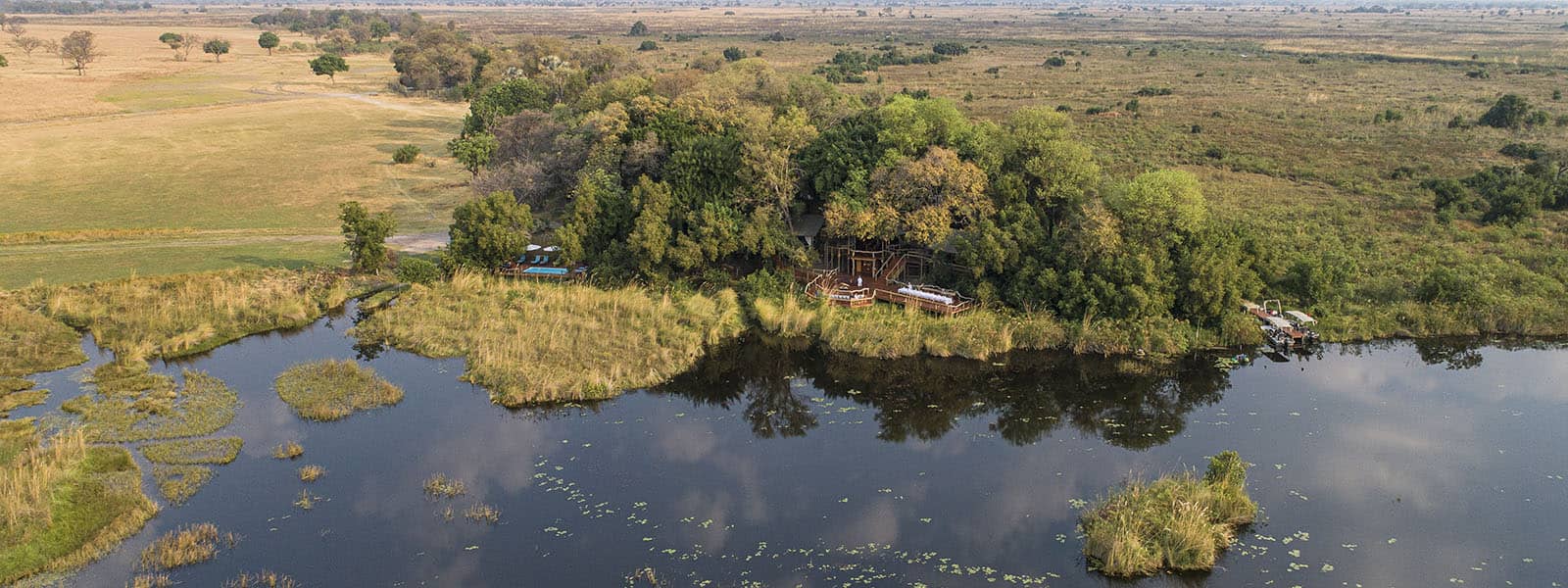
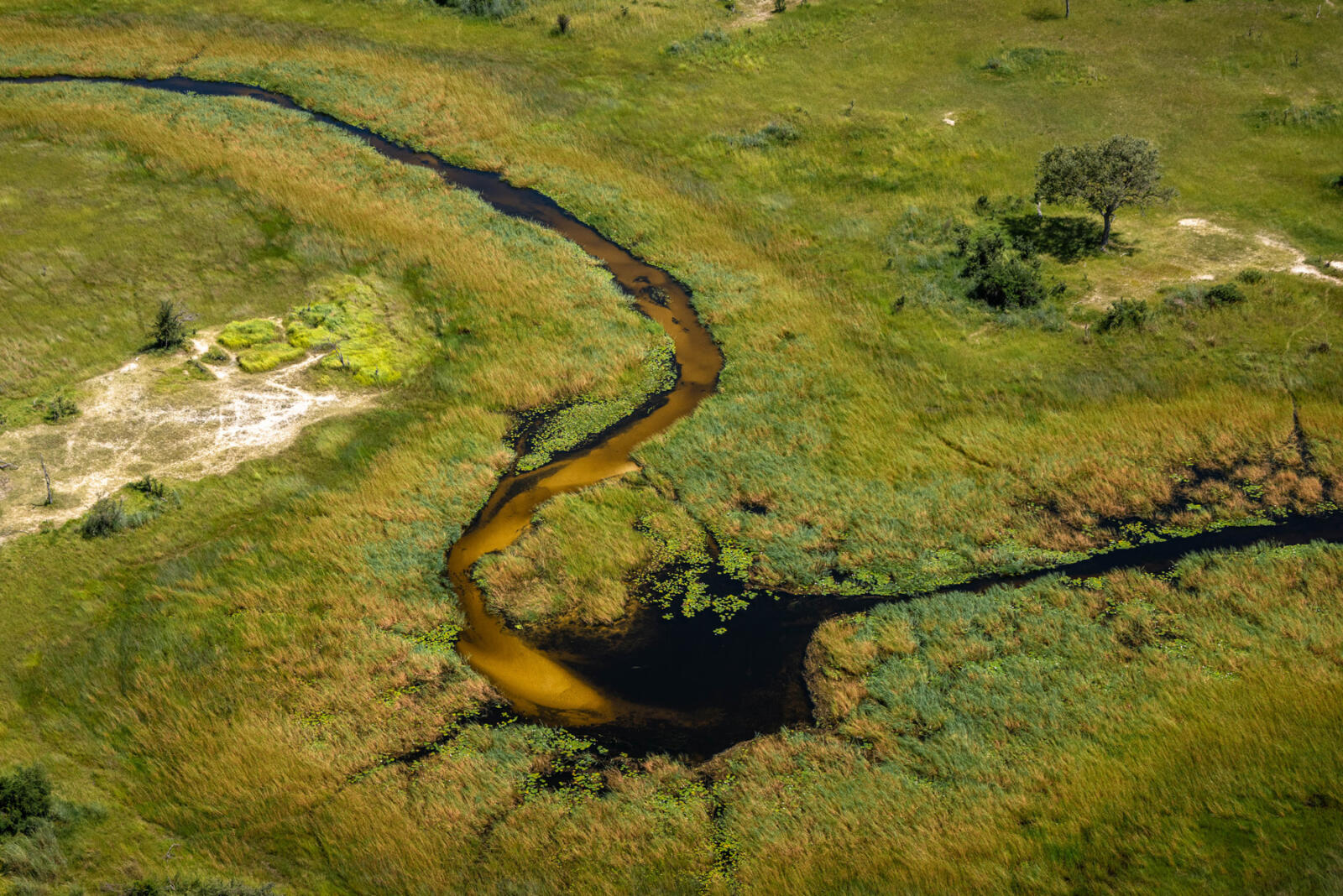
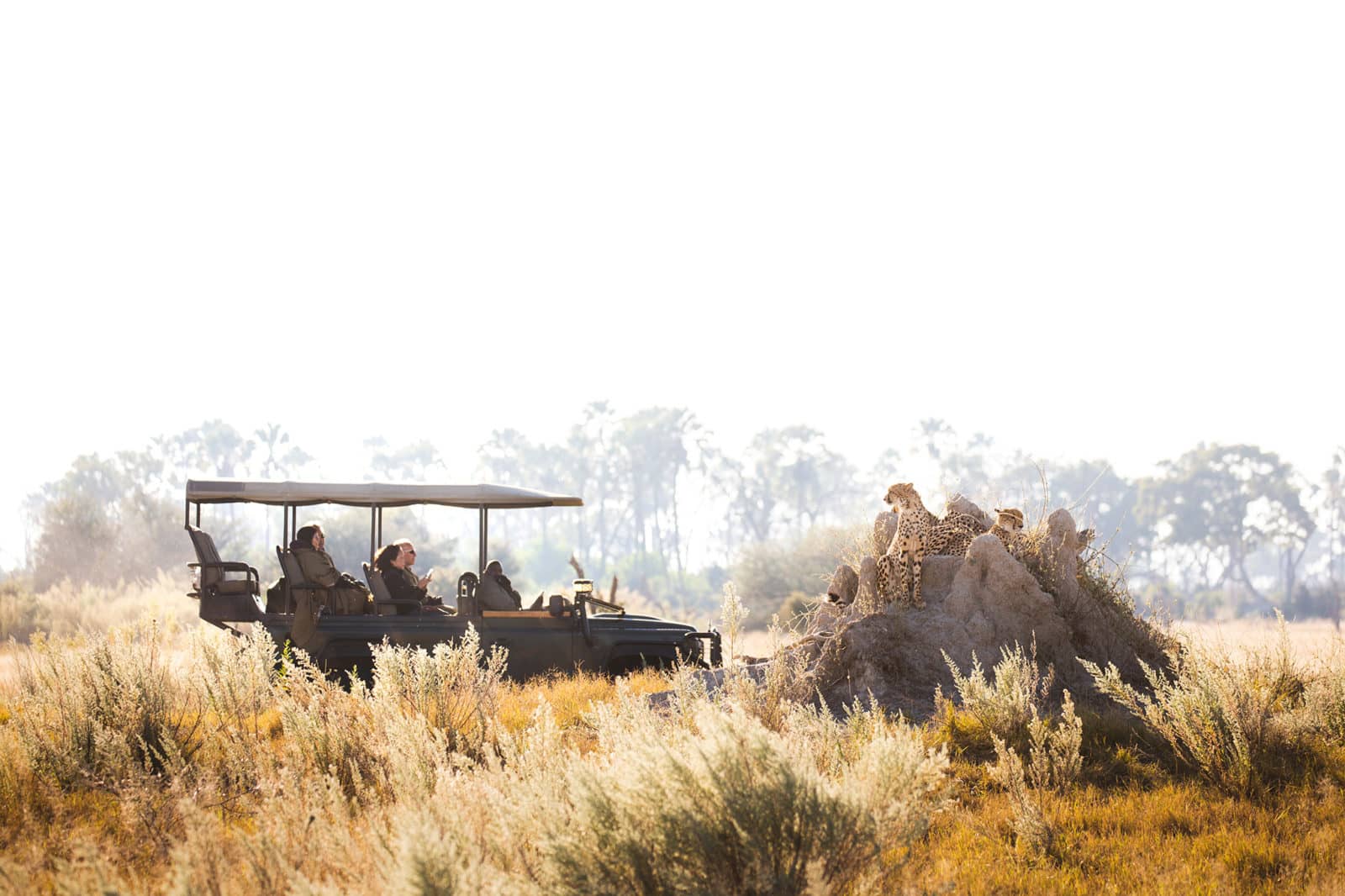
You are not navigating regions with varying levels of stability or needing to assess where is “safe” versus “less safe.” The country’s core safari areas—the Okavango Delta, Linyanti, Chobe, and the Kalahari—are remote, well-managed, and focused almost entirely on conservation and low-impact tourism.
It is a straightforward destination in the best possible sense.
Safety on Safari: What It Actually Feels Like
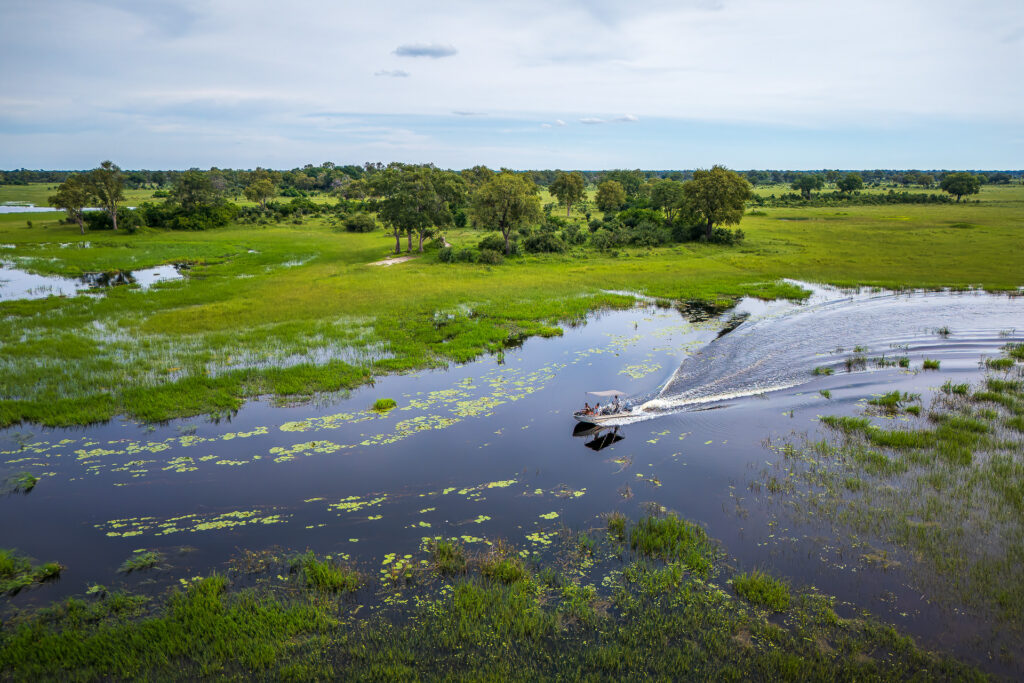
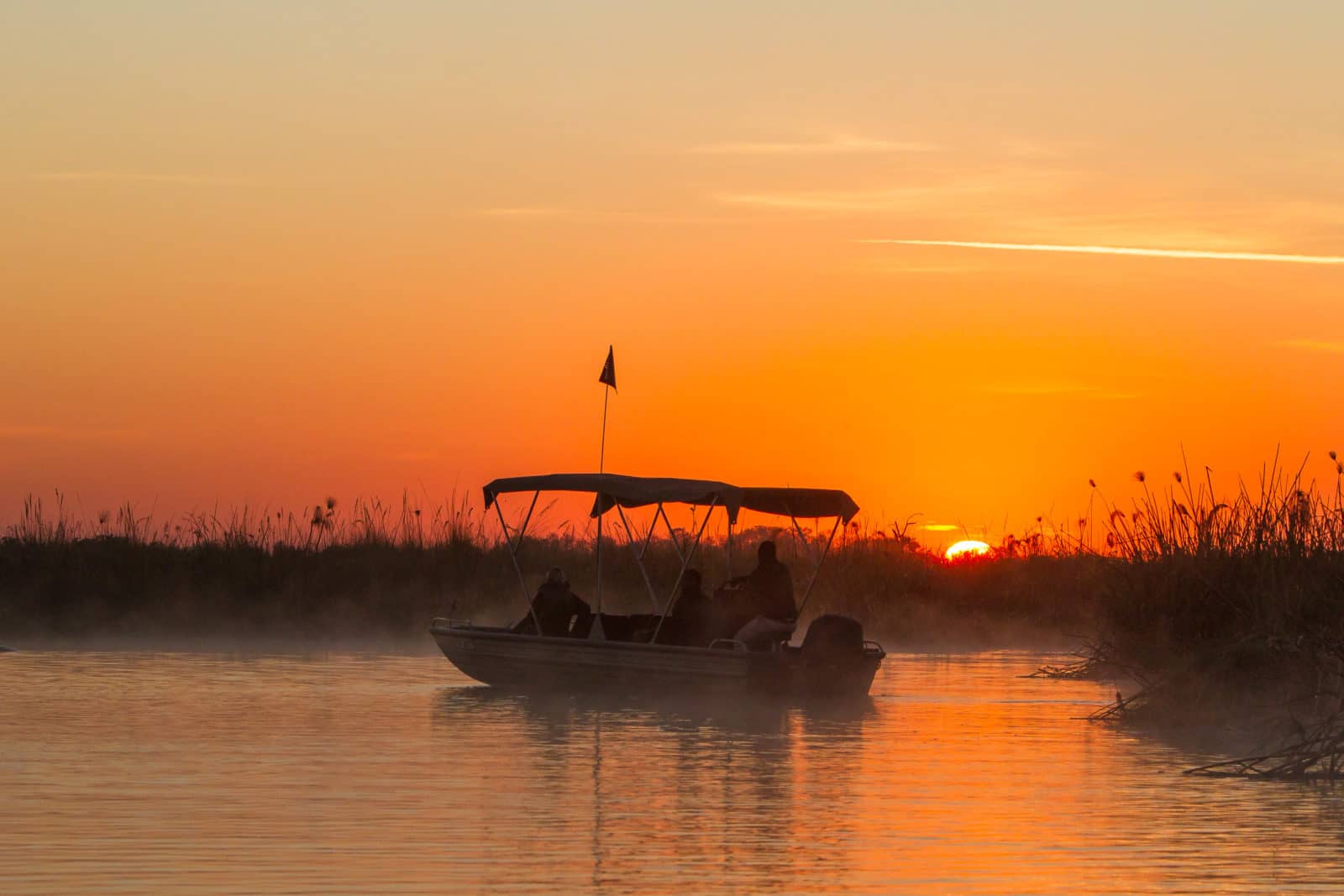
Boat safari moving through waterways in the Okavango Delta Botswana
Once you arrive in Botswana’s safari regions, the experience is very far removed from everyday concerns about safety.
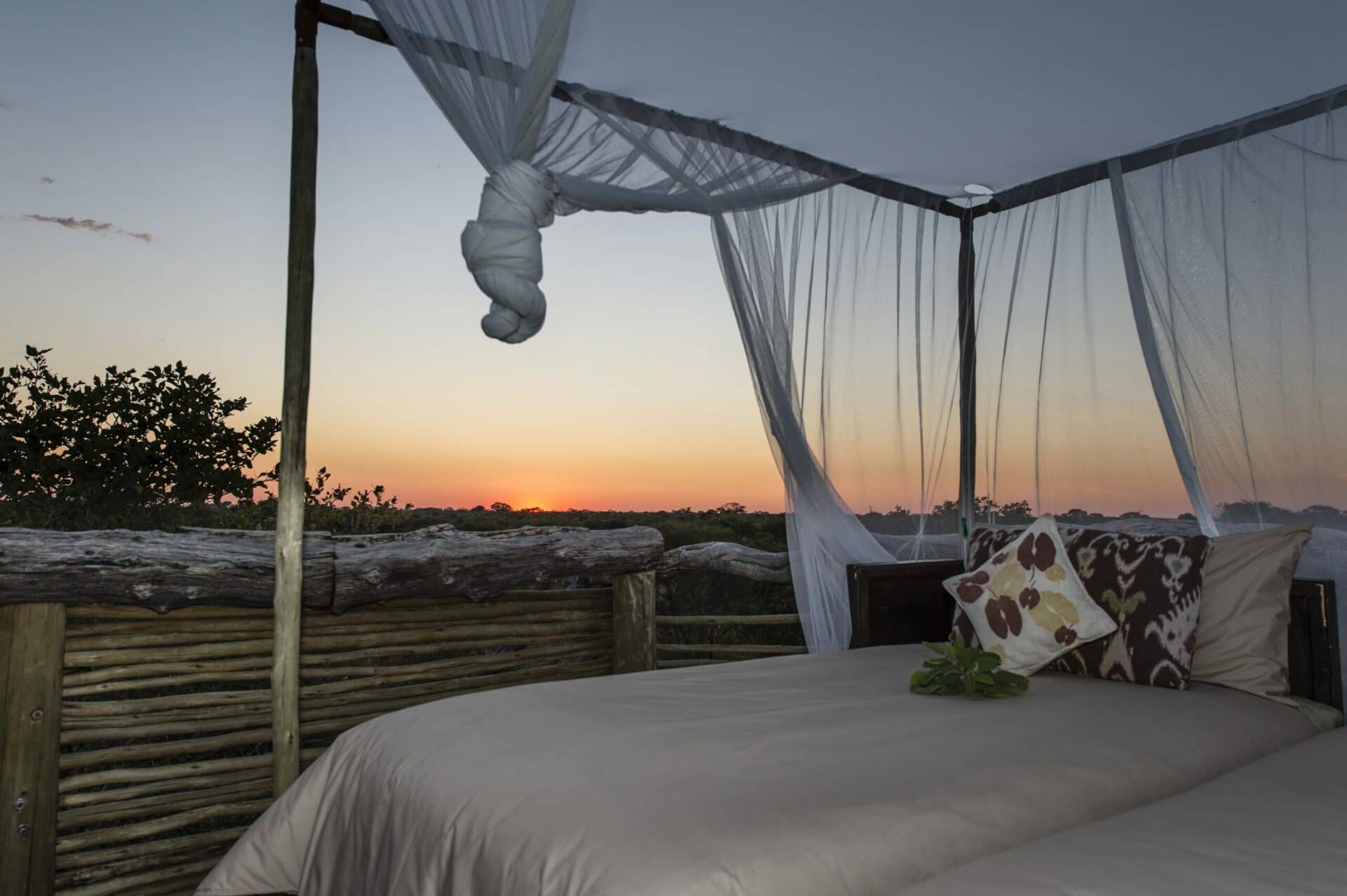
- Set in remote, protected wilderness areas
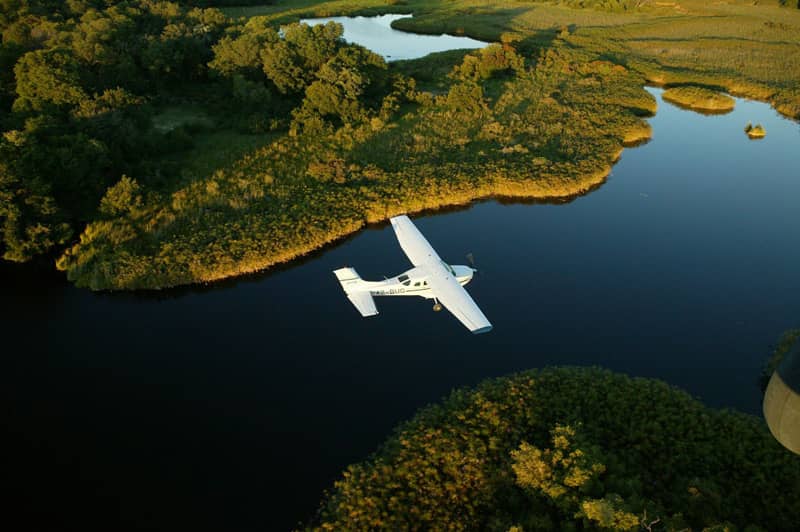
- Accessed by light aircraft
- Staffed by highly experienced teams
You are looked after by guides and camp managers who have spent years—often decades—working in these environments. Safety, logistics, and guest care are second nature.
There is also a strong conservation presence, including anti-poaching units operating across key regions. This adds an additional layer of protection, both for wildlife and for the integrity of the areas you are travelling through.
The result is an experience that feels both wild and quietly well-managed at the same time.
Crime in Botswana: A Realistic View
As with any country, crime does exist in Botswana.
However:
- Overall levels are low
- Most incidents are opportunistic rather than targeted
- The majority occur in urban or more populated areas
Tourists on safari are very unlikely to encounter any issues.
If you are travelling through towns or more populated areas, it’s sensible to be aware of small, opportunistic risks—such as petty theft or unattended items at fuel stops—but this is comparable to many destinations worldwide.
In the safari regions themselves, crime is extremely rare.
Guided Safari and Self-Drive Travel
Botswana works well for both guided safaris and self-drive adventures—they are simply different experiences.
On a fully hosted safari, you are moving between carefully run camps with seamless logistics and experienced teams managing every detail. This is where Botswana’s reputation for ease and reliability really shines.
Self-driving offers more independence and can be hugely rewarding. As with travel anywhere, passing through more populated areas calls for a bit more awareness of everyday risks, but this remains a low-risk destination overall.
A Safe Destination for a Wide Range of Travellers
One of Botswana’s strengths is that it works well for a wide range of travellers, including:
- Solo travellers (including women)
- Families
- Older travellers
- First-time visitors to Africa
The structure of a Botswana safari—small camps, attentive staff, and carefully managed logistics—creates a naturally supportive environment.
LGBTQ+ Travellers
Botswana remains a relatively conservative society, but there has been important progress in recent years.
Same-sex relationships were decriminalised in 2019, making Botswana one of the few countries in Africa to offer legal protection in this area.
Within the tourism industry, there is a long-standing culture of professionalism and discretion. Safari camps host guests from across the world, and the approach is straightforward and respectful.
Rooms are almost always configured as doubles or twins on request, without fuss. Even where personal views may be more traditional, it is exceptionally rare to encounter anything other than relaxed and tolerant service in a professional setting.
A Different Kind of Safari Experience
There is one final reason Botswana feels so safe—and it has little to do with statistics.
The country has deliberately chosen a low-volume, high-quality tourism model:
- Fewer visitors
- Large, protected wilderness areas
- Small, well-run camps
This creates a safari that is uncrowded, immersive, and carefully managed behind the scenes.
You are not navigating busy parks or congested roads. You are in vast, open landscapes, supported by some of the most experienced safari operators in Africa.
So, Is Botswana Safe for Safari?
Yes—exceptionally so.
Botswana offers a rare combination of political stability, low crime, strong conservation management, and highly professional safari operations.
But perhaps more importantly, it offers something travellers value above all else: complete peace of mind.
If you are considering a safari to Botswana, we can guide you through the options and ensure every detail is carefully planned.
Experience the Okavango Delta
Contact us for more information and to start planning your Okavango safari
Contact