Okavango Delta Flood 2026: A Big, Beautiful Year Ahead in Botswana
Every Okavango flood begins its life far to the north, on the high plains of Angola. When those distant rains are generous — as they have been this year — the entire Delta feels it months later.
2026 is shaping up to be one of those memorable years when the system works exactly as nature intended: strong rains upstream, healthy rains at home, and a generous flood pulse moving steadily south — making the Okavango Delta flood in 2026 one of the most promising in recent years.
For those considering a visit, this is a particularly exciting time to explore our Okavango Delta safaris.
The rains have been falling for months now — and in abundance. Across Botswana, the landscape has responded: pans are full, grasses are high, and the country has taken on that rich, vivid green that follows a good wet season.
In Botswana, rain is always welcomed. “Pula” — the Setswana word for rain — is also the national currency, and a common expression of blessing and goodwill. Good rains bring life, renewal and optimism, and this year there is a tangible sense of that across the country.
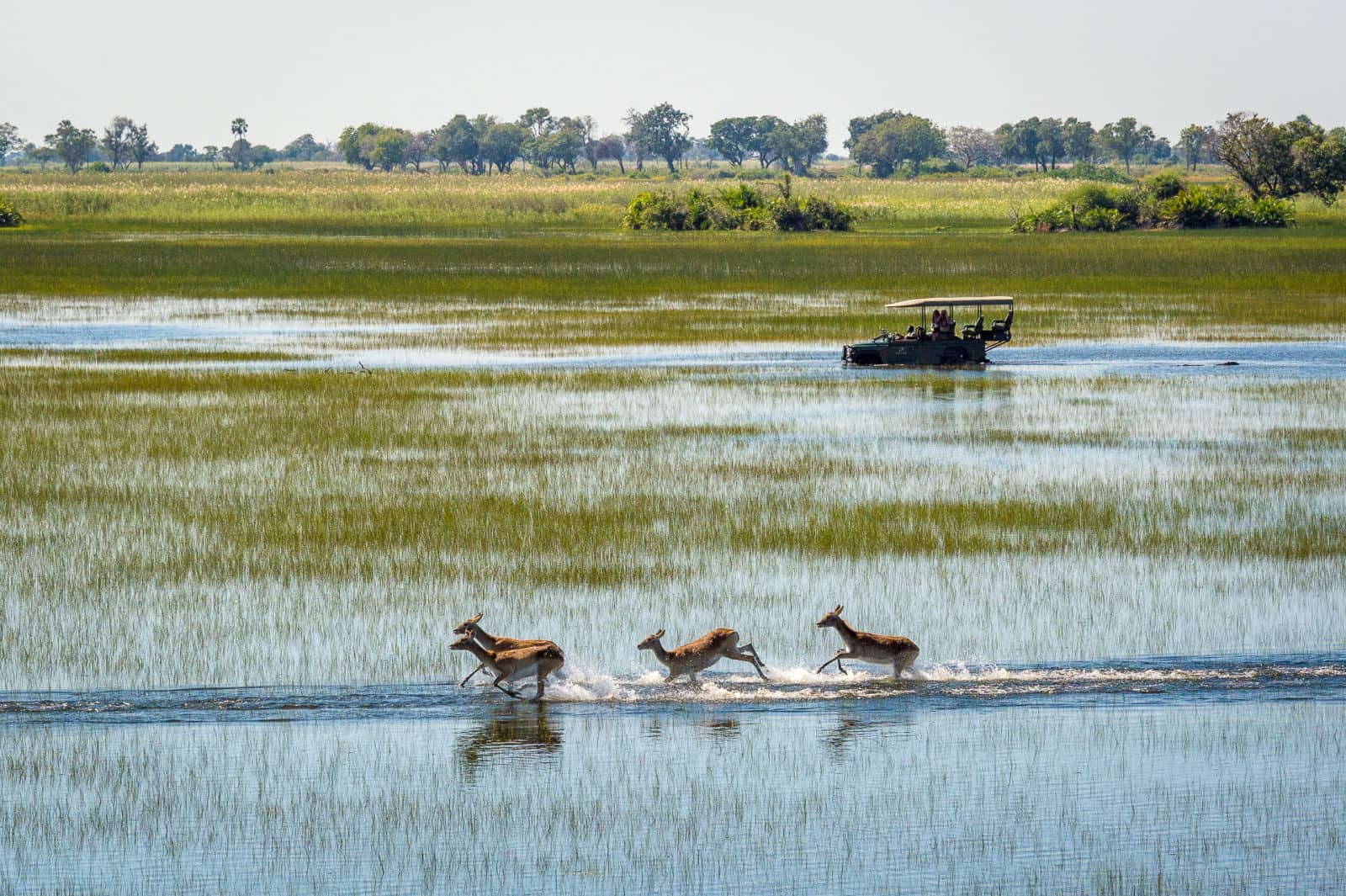
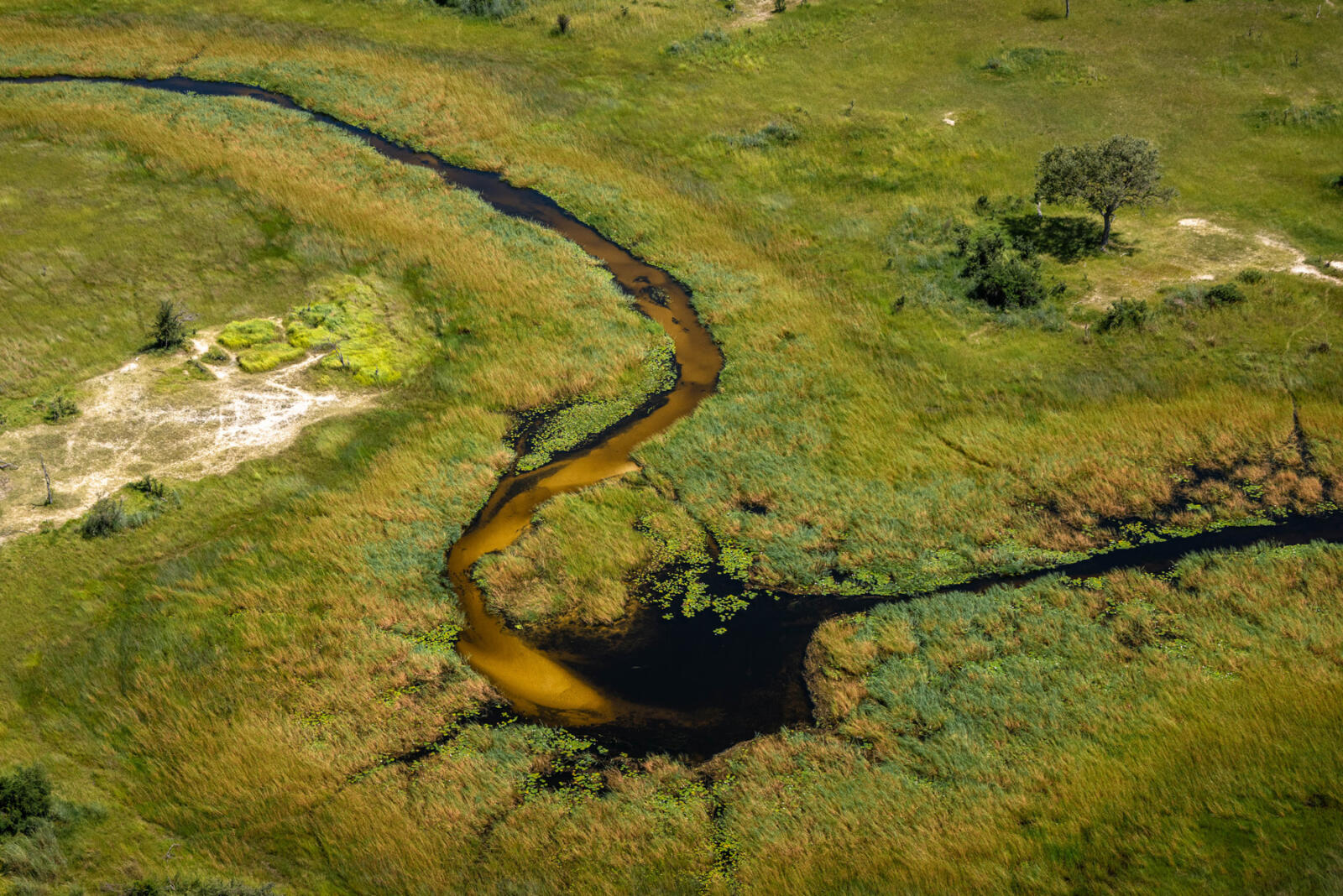
In the Okavango, this is already evident. Floodplains are fresh, channels are full, and water is lying across areas that, in other years, would still be dry. In places, the Delta already looks as though it is in full flood — the kind of scenes one might expect in July — and yet we are only in March.
And still, the true floodwaters from Angola have not even arrived.
A Wetland Defined by Movement
What makes the Okavango Delta so remarkable is that it is not a fixed landscape, but a living, shifting system — a wetland that expands and contracts each year, never quite the same twice.
Water flows in, spreads, and slowly retreats again, creating an ever-changing mosaic of islands, channels and floodplains. This constant renewal is what keeps the ecosystem so rich, supporting an extraordinary diversity of wildlife.
No two years are ever identical, and that is precisely what draws people back time and again. The magic remains, but the scene is always different — each visit revealing a slightly altered Delta.
The Timing That Makes It Magic
One of the Delta’s defining characteristics is its timing.
The flood does not arrive when the rain falls. It arrives later, during the dry winter months, when Botswana’s landscapes begin to open up, the air is clear, and water becomes the most valuable resource in the wild.
Just as the surrounding woodlands lose their summer softness, the Delta fills — widening channels, replenishing lagoons, and fanning out into the great floodplains. Dry land beyond, and life-giving water at the centre.
The Role of Local Rains
While the Angolan flood is the headline, local rainfall in Botswana plays an important role in how the season unfolds — particularly in shaping the Okavango Delta flood in 2026
This year, the land is already well saturated. That matters.
With the land already saturated this year, floodwaters are likely to move efficiently through the system, extending further across the Delta — into areas that in drier years see far less water.
It is this interplay between distant rainfall and local conditions — within the wider Okavango River basin — that shapes each year’s flood in its own way.
Why Good Rains Matter
Good rains are not just welcome — they are essential.
They replenish floodplains, support grazing, and set the conditions for a healthy, balanced ecosystem in the months that follow. This is also a season of renewal, with young animals appearing across the landscape and the Delta quietly coming to life.
These early months help shape the quality of the safari season ahead.
Water-Based Experiences at Their Best
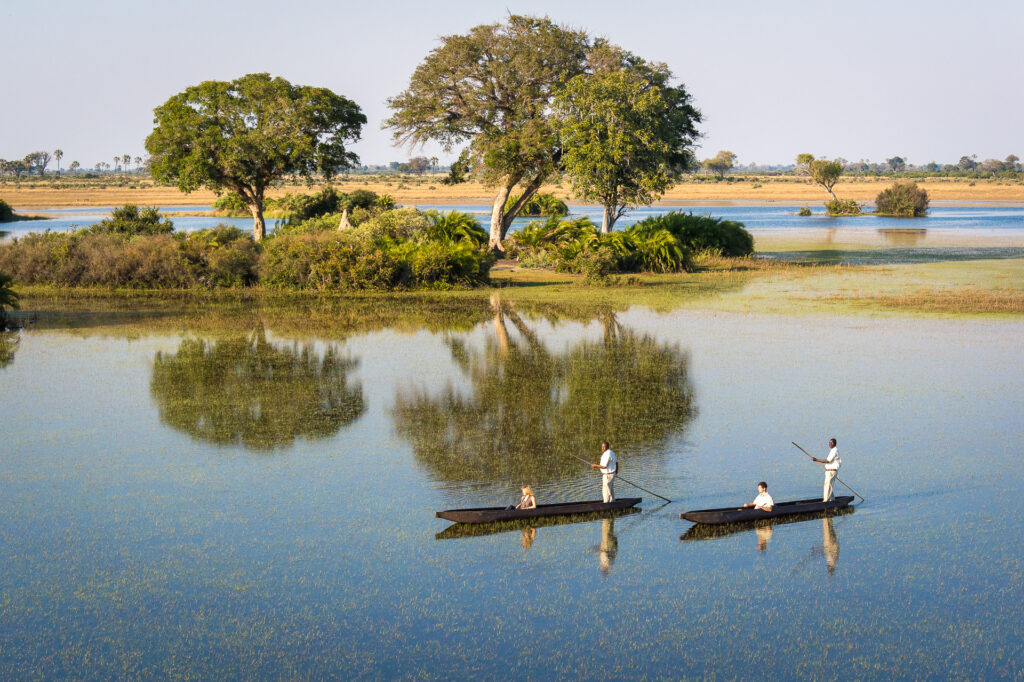
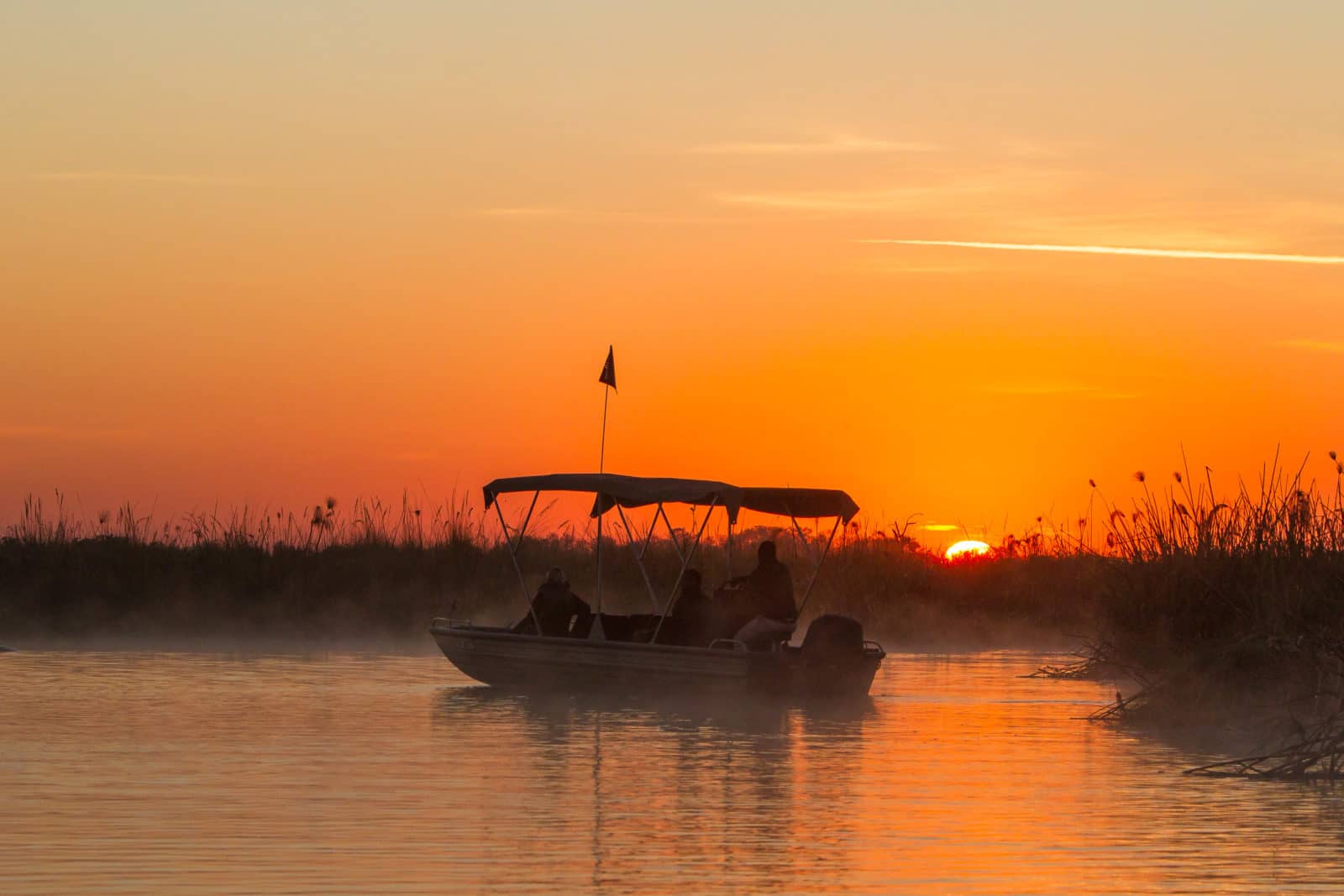
Exploring the Delta by mokoro — one of the most peaceful and defining experiences of a strong flood year.
One of the defining features of a strong flood year is the consistency it brings to water-based activities.
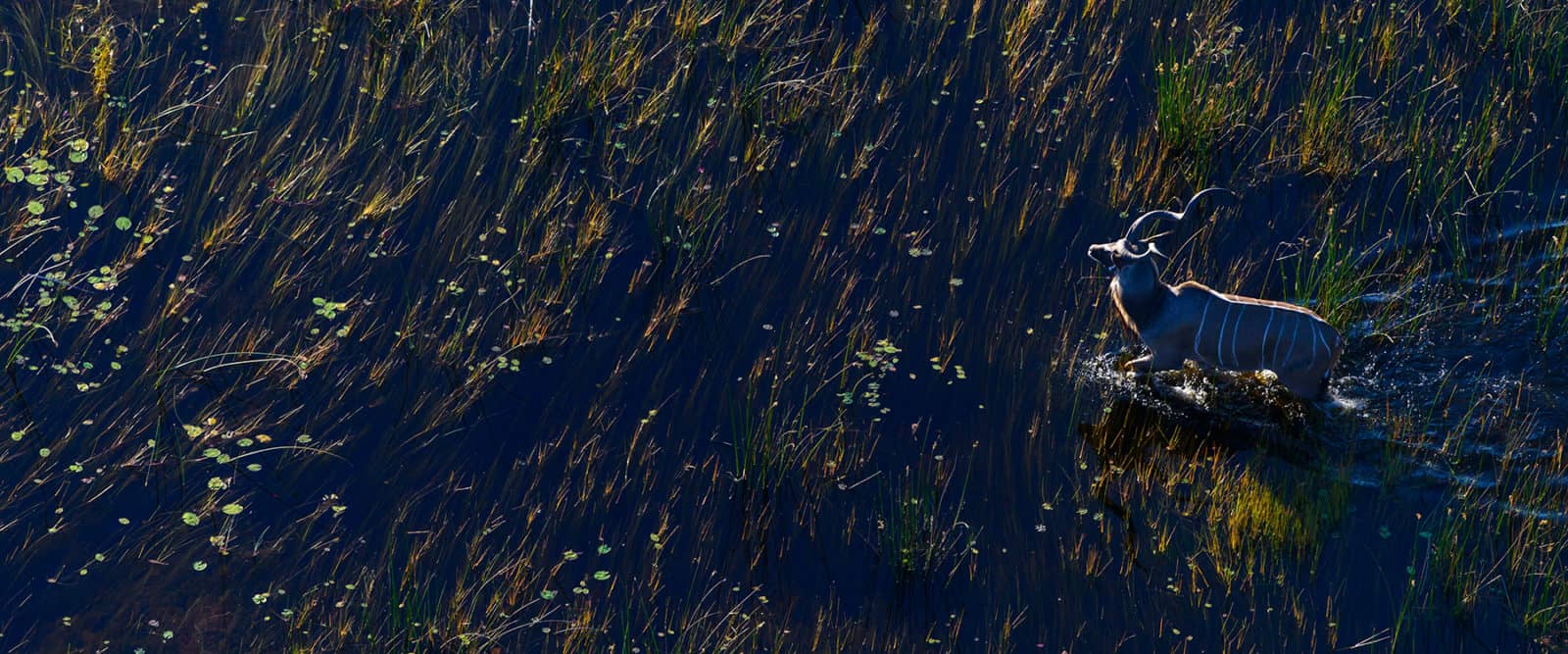
In many seasons, boating and mokoro excursions can vary depending on water levels. This year, with the Delta already full and more water still to come, conditions are shaping up to be particularly good for exploring by water — whether by mokoro through reed-lined channels or by boat across open lagoons.
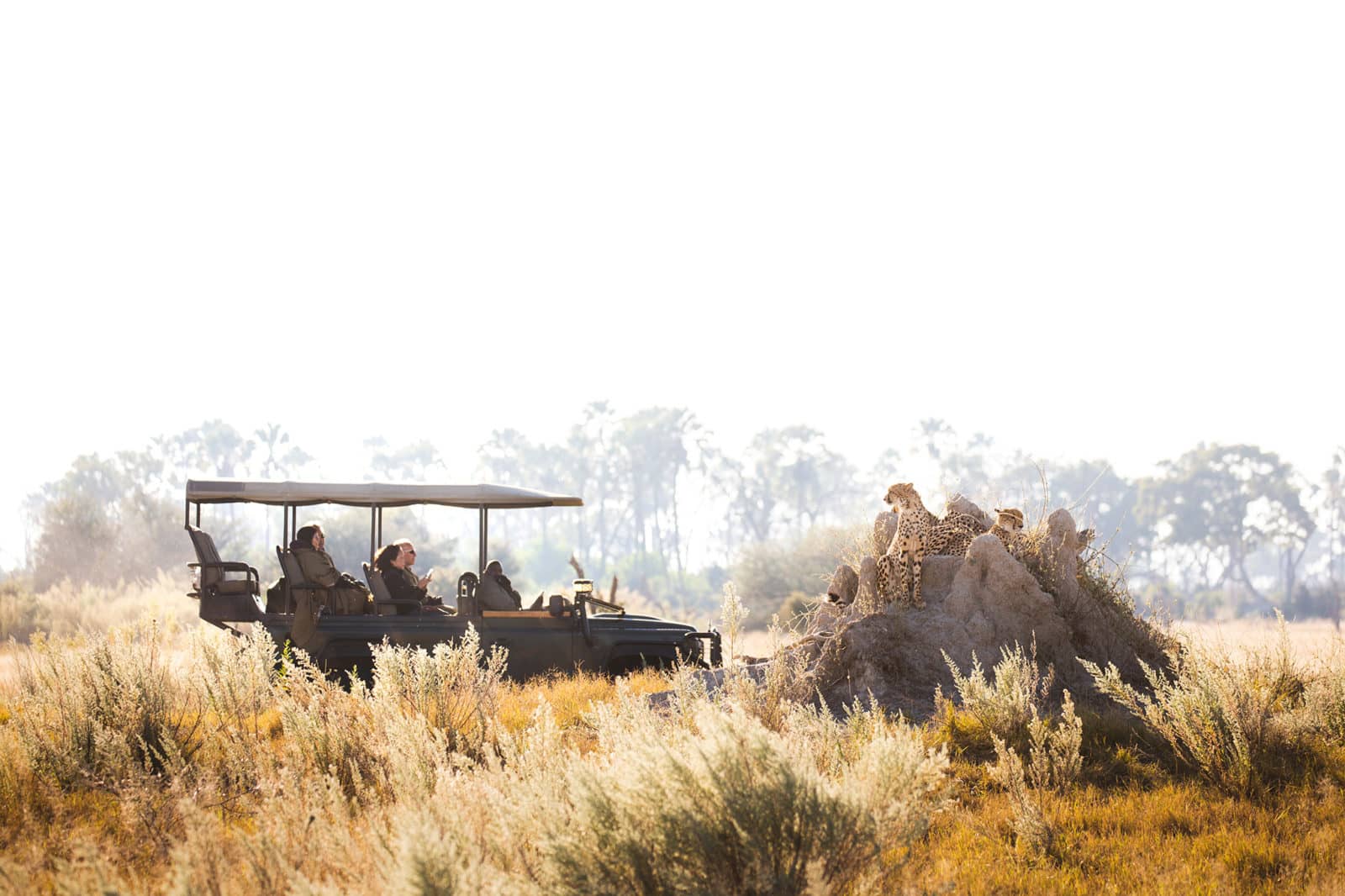
At the same time, this does not mean that game drives fall away. Most camps are carefully positioned to retain access to areas of dry land throughout the season, allowing for a continued balance of land and water-based activities.
Importantly, these conditions are well understood and carefully managed. Camps are designed around the Delta’s seasonal rhythms, with specialist vehicles adapted for water crossings, raised access routes, and, in some areas, bridges linking islands and key camp areas.
This is not disruption — it is part of the experience, and one of the reasons the Okavango is so unique.
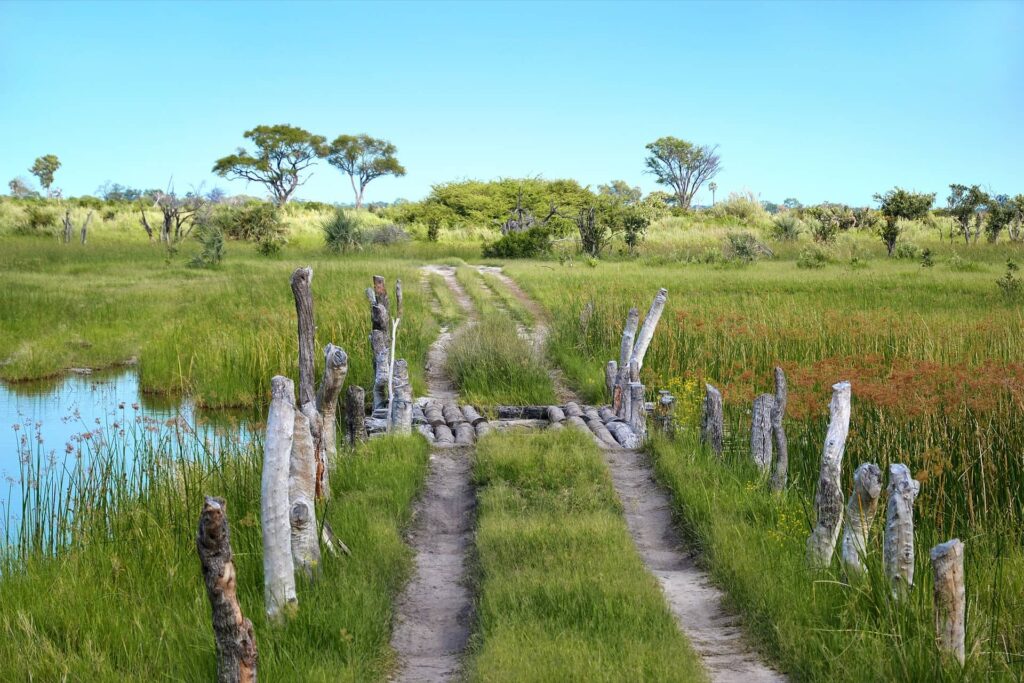
Camps are well adapted to changing water levels, with bridges ensuring access remains smooth throughout the season.
What This Means for 2026
A generous flood does not simply add water — it reshapes the feel of the Delta.
Waterways become broader and more connected, and the landscape takes on a greater sense of scale. The Delta begins to feel like a fully joined system — fluid, expansive, and deeply immersive.
Combined with the already lush, green conditions on the ground, this sets the stage for a particularly beautiful season.
Looking Ahead to 2026
While Botswana offers an exceptional safari every year, some seasons stand out more than others.
2026 is shaping up to be one of them.
The landscape is green, saturated, and already full of life. And with strong rainfall both locally and in Angola, the Delta now waits for the final piece — the arrival of the flood itself.
For travellers, this points towards an Okavango that will feel expansive, alive, and deeply atmospheric.
A year defined by water, movement, and abundance.
A Note on Access
Recent heavy rains have led to temporary road closures in parts of Botswana, including areas of Moremi Game Reserve, due to flooded tracks.
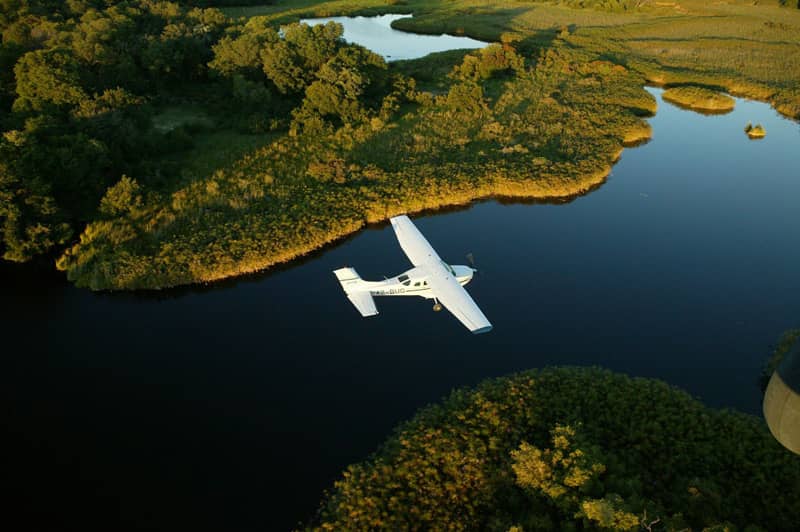
This primarily affects self-drive access. Safari camps remain fully open and continue to operate as normal, with access via scheduled or charter flights — the standard mode of travel for most visitors.
Fly-in safaris remain the easiest and most reliable way to travel in these conditions, ensuring seamless access to camps and a consistently smooth experience.
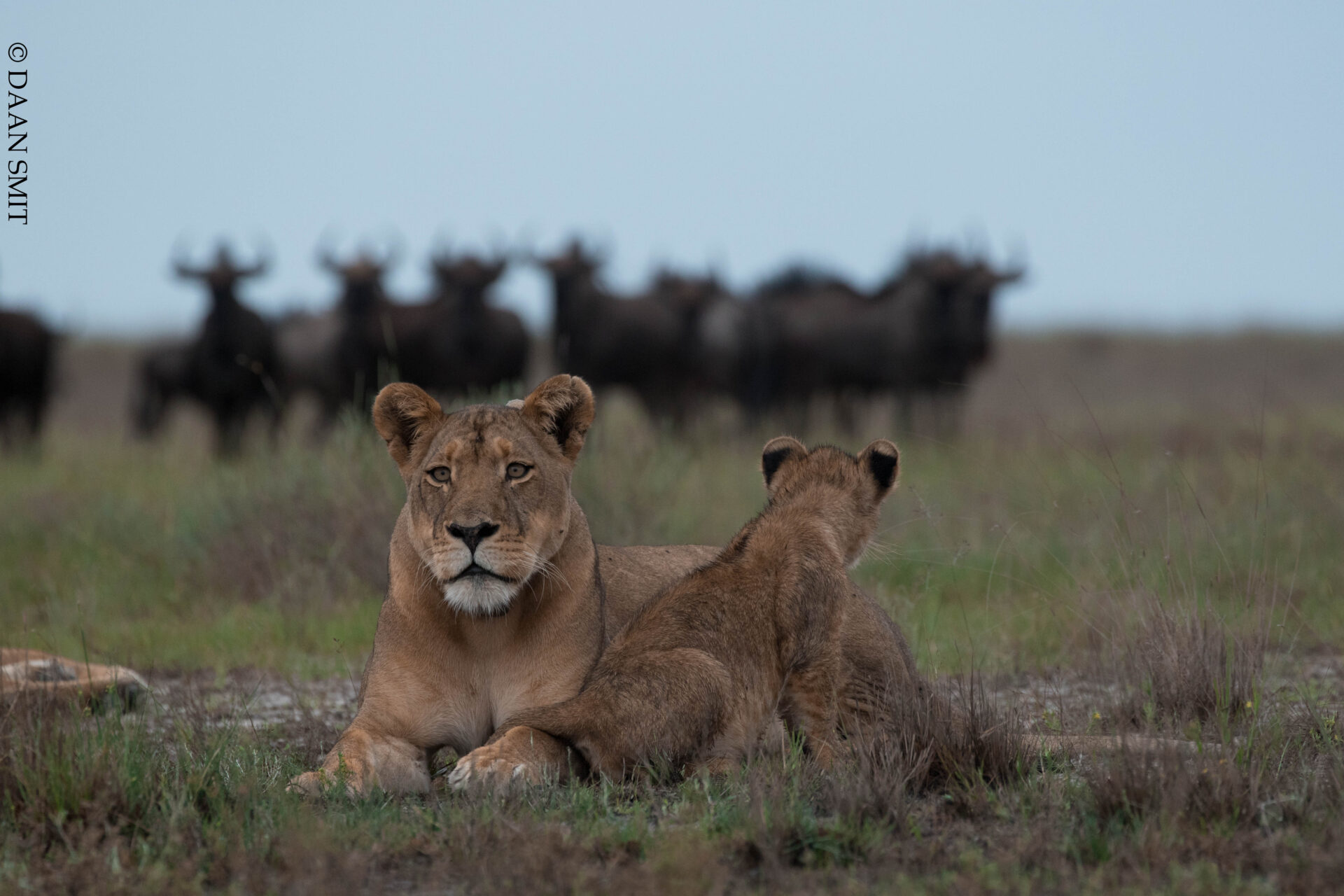
Experience the Okavango Delta
Contact us for more information and to start planning your Okavango safari
Contact