The Most Common Botswana Safari Planning Mistakes (And How to Avoid Them)
Planning a Botswana safari can be surprisingly complex. Botswana is one of Africa’s most rewarding safari destinations, but it is also one of the most dynamic and complex to plan successfully.
Wildlife movements, seasonal flooding, changing water levels, light aircraft logistics and the sheer variety of safari regions all influence the final experience. Camps that appear similar on paper can offer something completely different, while the best itinerary for one traveller may be entirely wrong for another.
After decades helping travellers plan safaris across Botswana, these are some of the most common planning mistakes we encounter — and how to avoid them.
1. Not Understanding Botswana’s Wilderness
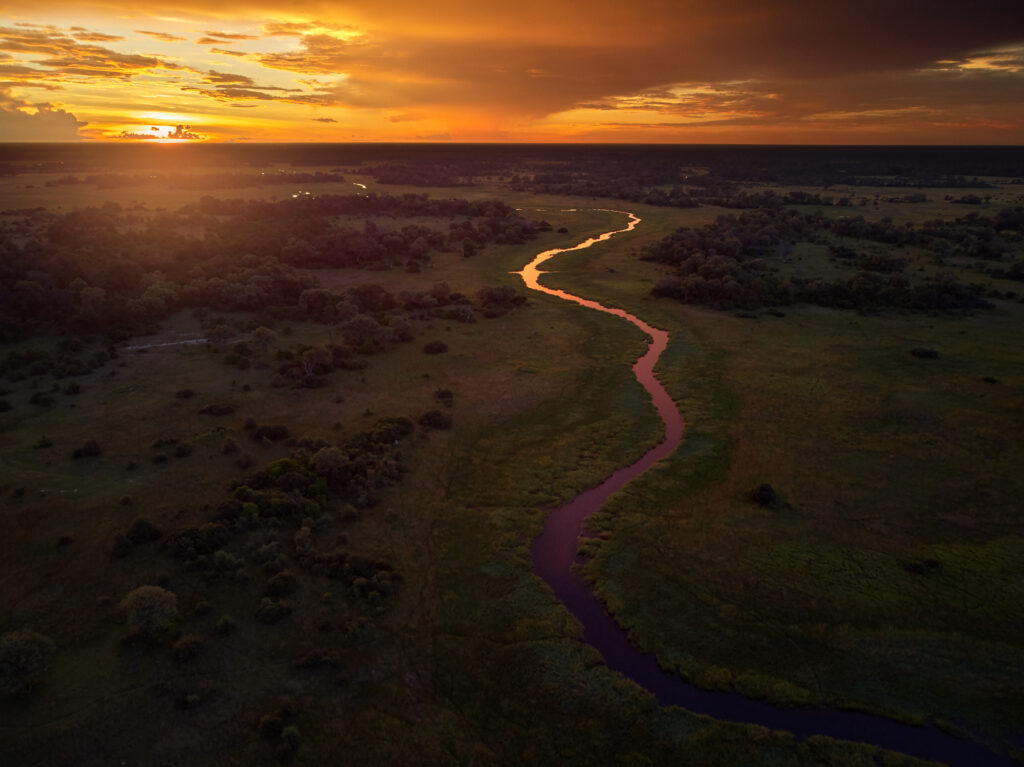
Botswana is one of Africa’s last great wilderness destinations, and understanding what that really means will shape your expectations from the outset.
Much of northern Botswana remains remarkably undeveloped. There are few settlements, very limited infrastructure and vast areas without roads, fences, power lines or visible signs of human habitation. Wildlife moves freely across huge connected landscapes, while tourism is deliberately kept low density to protect these fragile ecosystems.
This creates a safari experience defined by space, solitude and a genuine sense of exploration. Animals are not confined to small areas, and wildlife viewing is shaped by season, water levels, habitat and natural movement patterns.
Once you understand Botswana’s wilderness, you appreciate that the experience is not simply about seeing wildlife. It is about being immersed in one of the last places in Africa where nature still feels largely untouched.
2. Choose the Right Camp, Not the Camp You’ve Heard Of
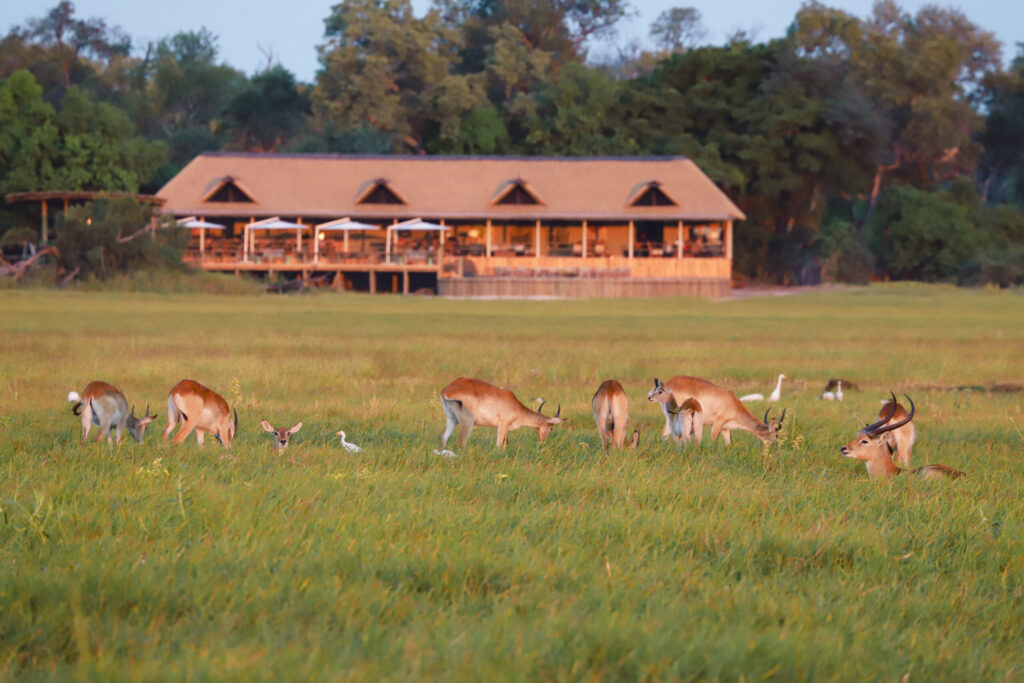
Many first-time visitors planning a Botswana safari are surprised to discover just how different camps within the Okavango Delta can be. While many may look similar in photographs, no two areas of the Delta are the same, and the experience can vary considerably depending on location, habitat and the time of year.
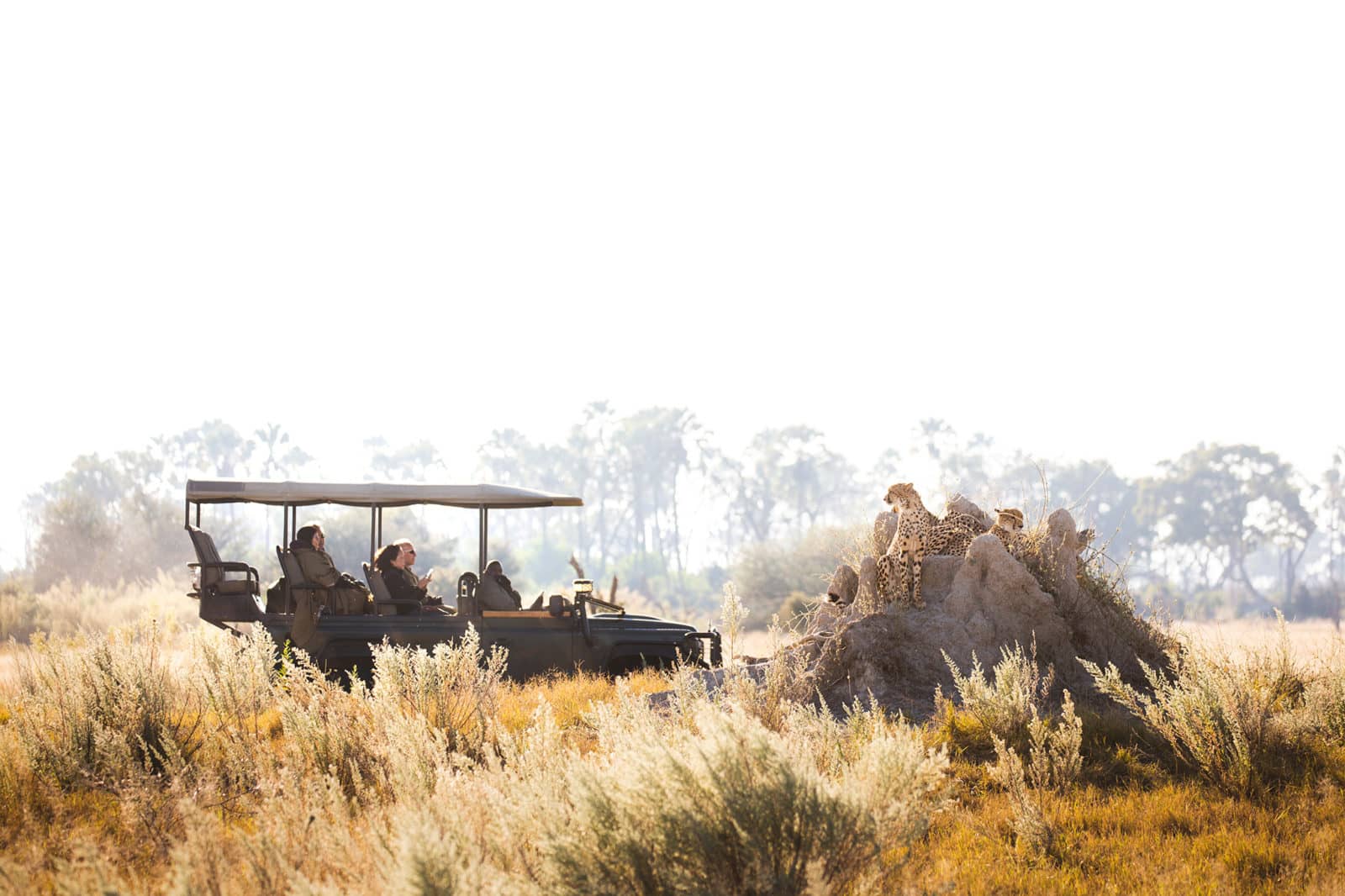
Some camps have permanent water, allowing year-round boating and mokoro excursions, while others focus almost exclusively on exceptional land-based game viewing. Night drives, walking safaris, fishing and helicopter flights may be available at some camps but not others, while seasonal flood levels can also influence what is possible.
This is why choosing a camp based solely on reputation, social media or a “must-stay” list can be misleading. A traveller dreaming of gliding silently through papyrus-lined channels may be disappointed to discover their chosen camp has little permanent water, while someone hoping for outstanding predator viewing may be better suited to a completely different area.
There is no single “best” camp in Botswana. The best camp is the one that matches your interests, travel style and expectations. A well-designed Botswana safari itinerary starts with understanding what you hope to get out of your safari, and then selecting the camps that are best placed to deliver that experience.
3. Expecting Water Safaris to Deliver Big Game Viewing
One of the most common misconceptions when planning an Okavango Delta safari is that a water safari will resemble a river safari on the Chobe or Zambezi. In reality, the Delta is an entirely different environment.
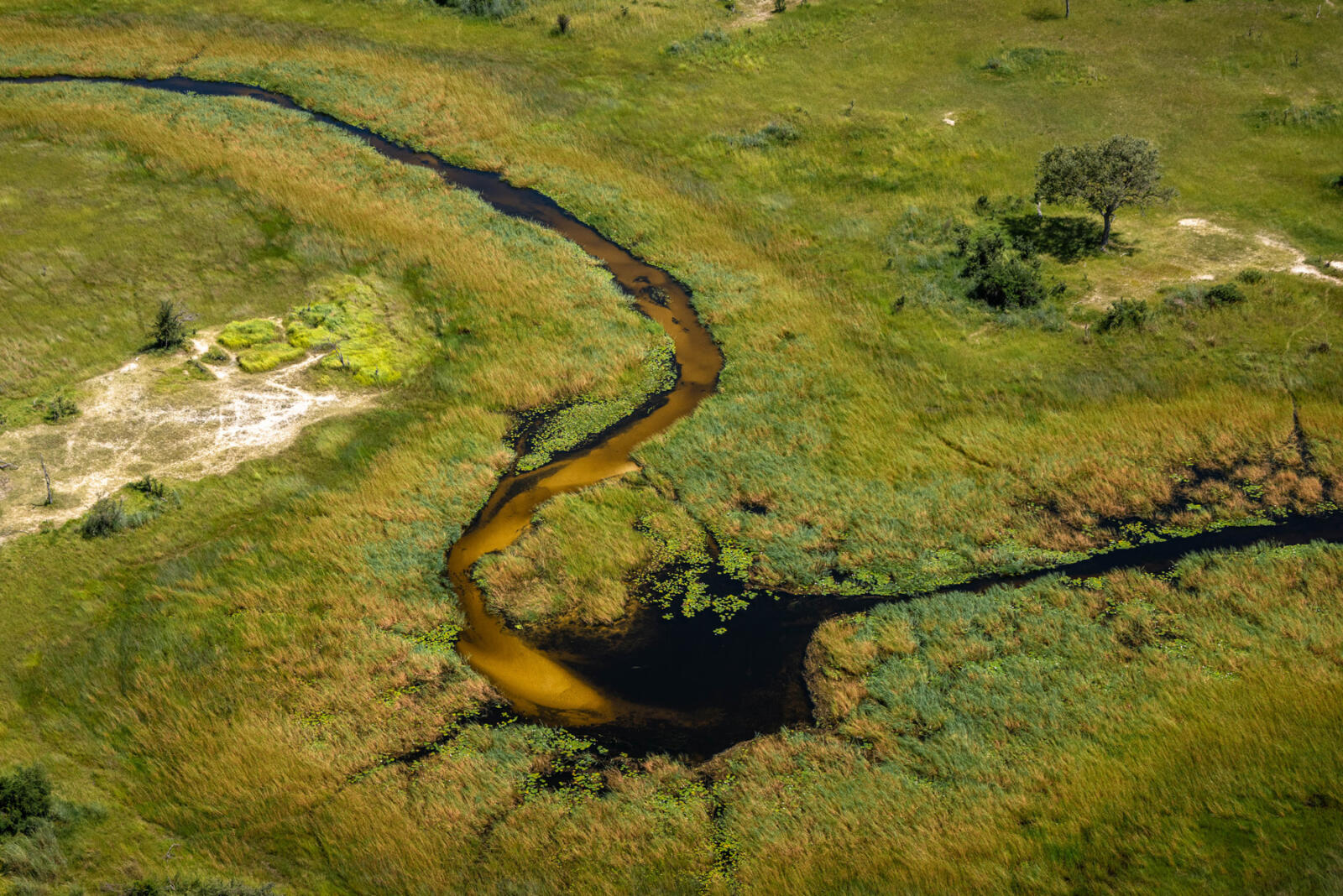
Rather than a single river concentrating wildlife along its banks, it is a vast inland delta made up of countless channels, lagoons, floodplains and islands. Wildlife is dispersed across an immense mosaic of islands, floodplains, woodlands and waterways, rather than concentrating along one riverbank.
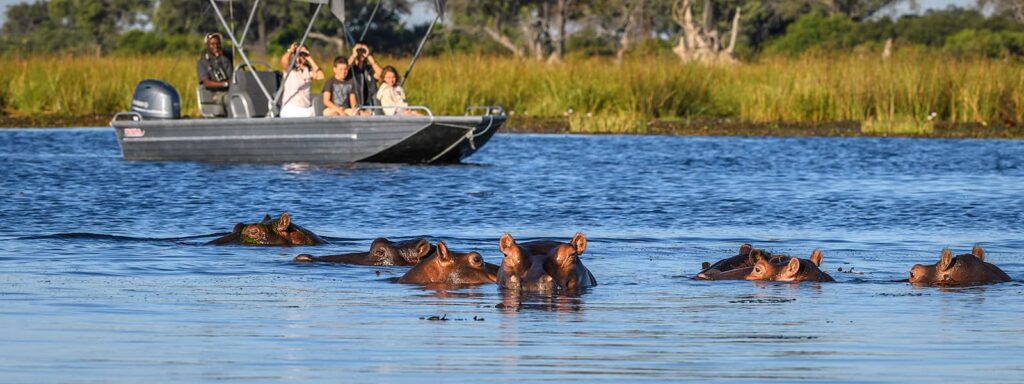
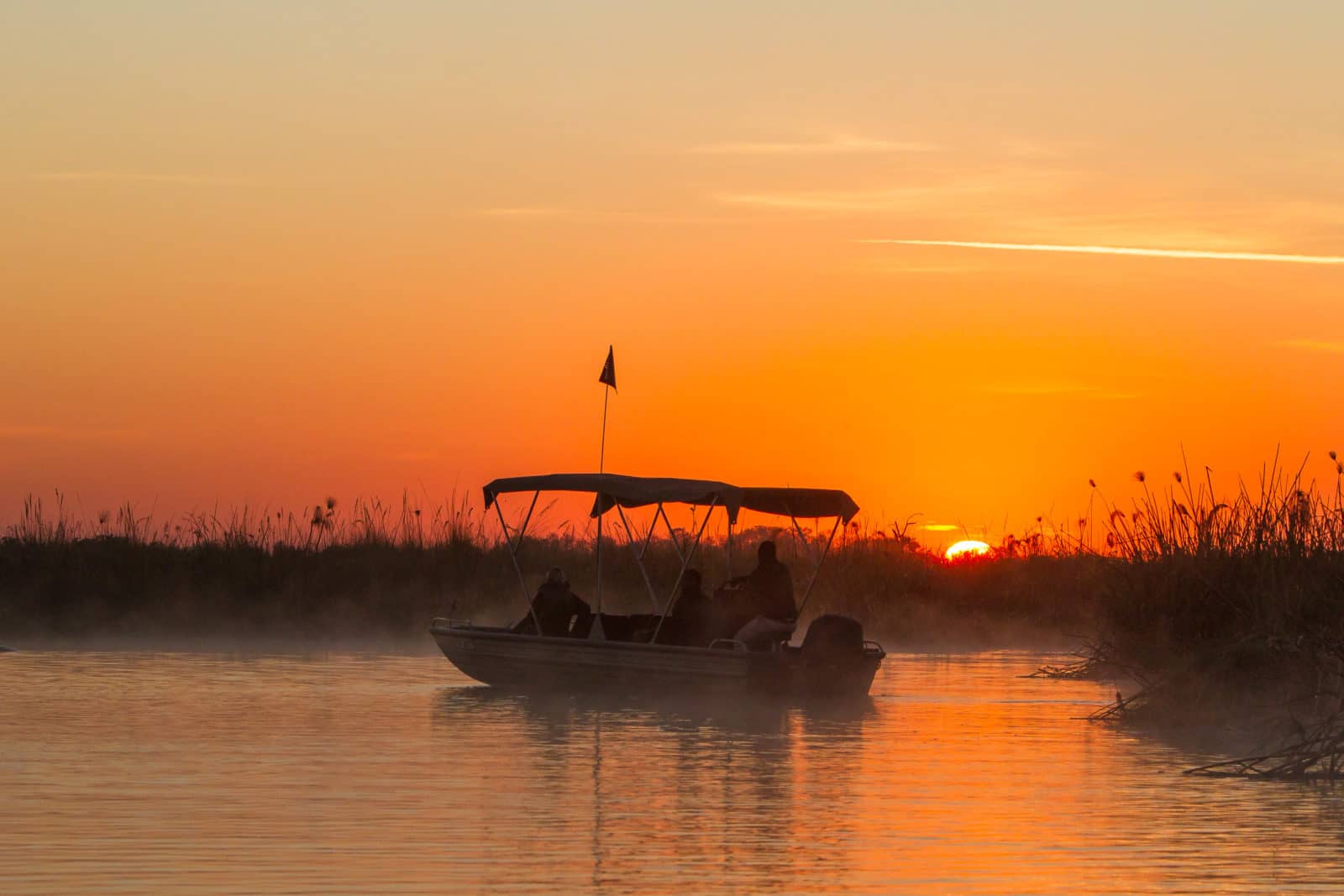
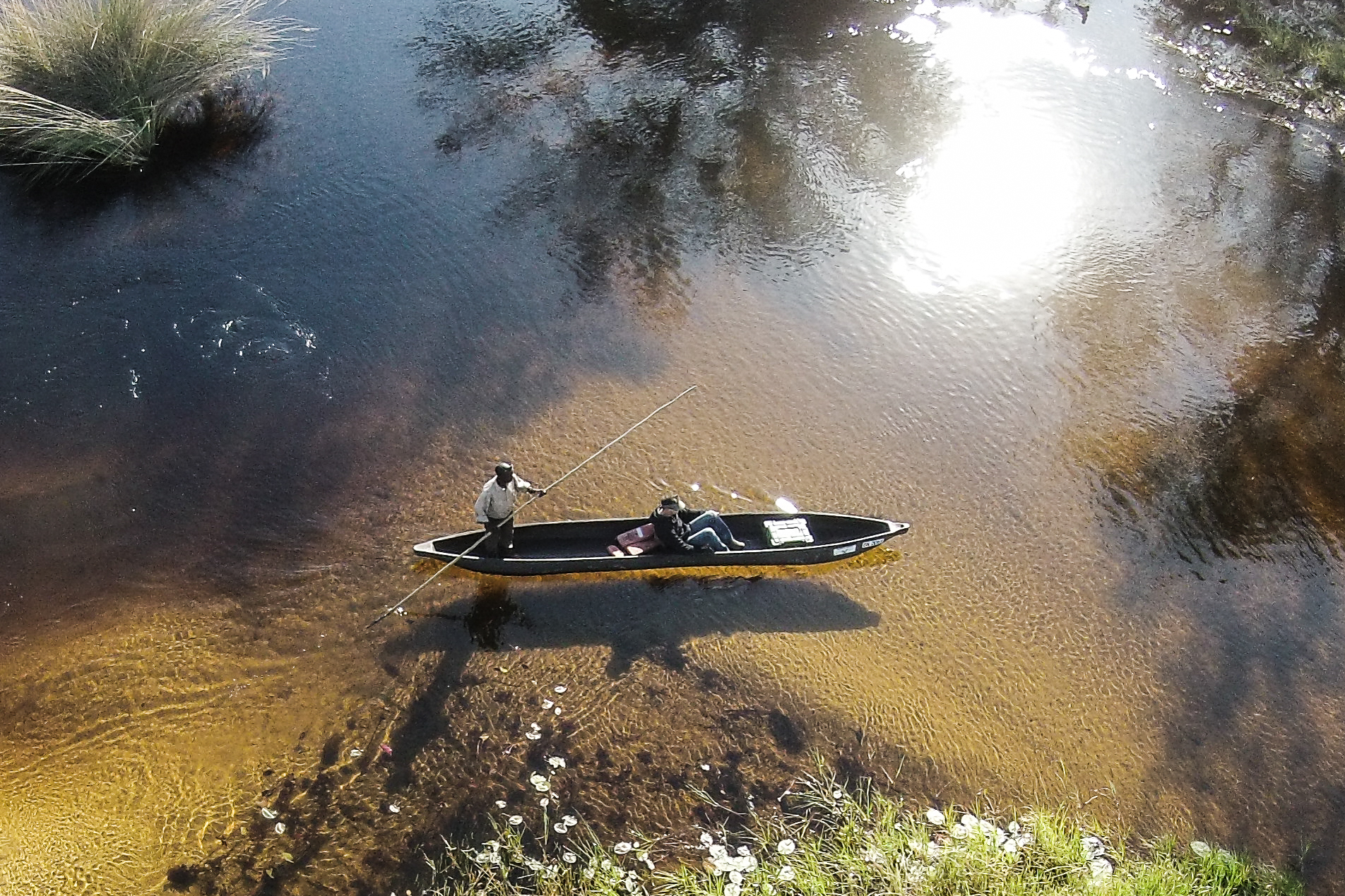
Water activities offer a completely different perspective. Boating explores the Delta’s deeper channels and open lagoons, while mokoro excursions glide silently through the shallow waterways and papyrus-fringed floodplains that larger boats cannot reach.
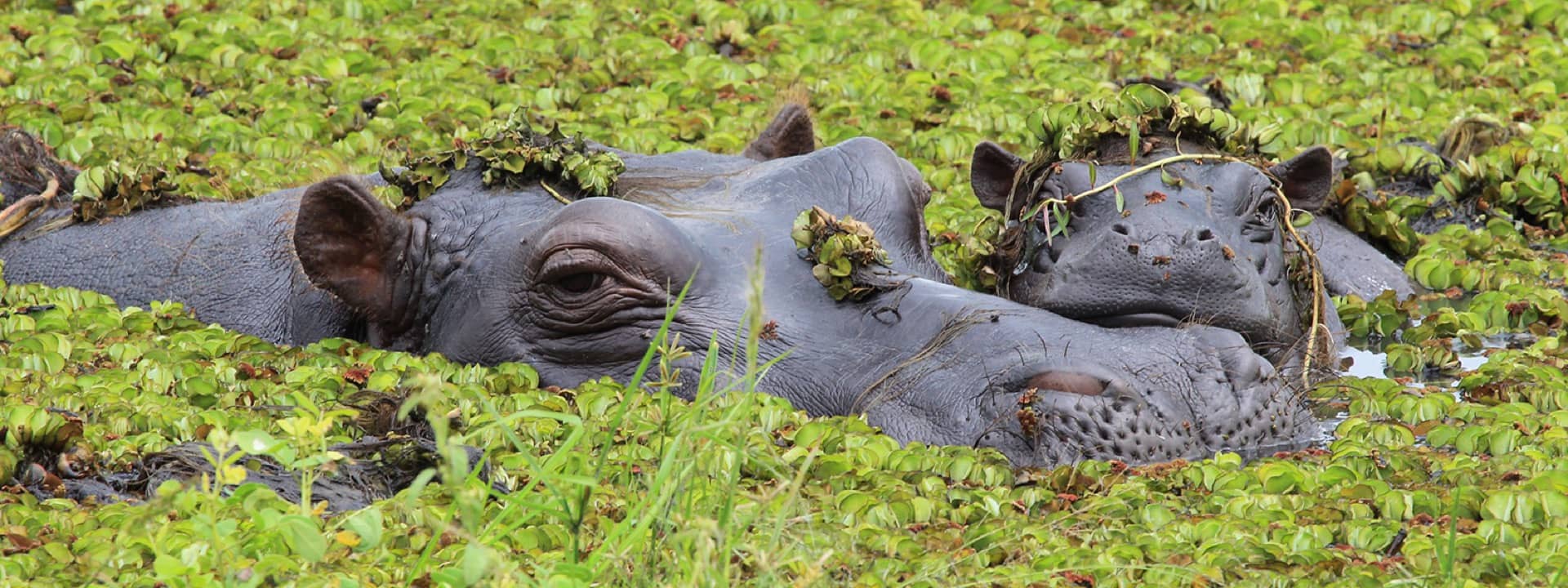
You may encounter hippos, crocodiles, elephants bathing or crossing channels, beautiful birdlife and a variety of other animals viewed from the water. However, you should not expect the same diversity or frequency of big game sightings that you would typically enjoy on a game drive.
This is why understanding your interests and expectations is so important when planning a Botswana safari. If your priority is exceptional predator sightings and big game, your itinerary should include outstanding land-based game viewing. If you are drawn to the tranquillity of the Delta itself, then boating and mokoro excursions may become the highlight of your trip.
4. Assuming There Is a “Best” Time to Visit Botswana
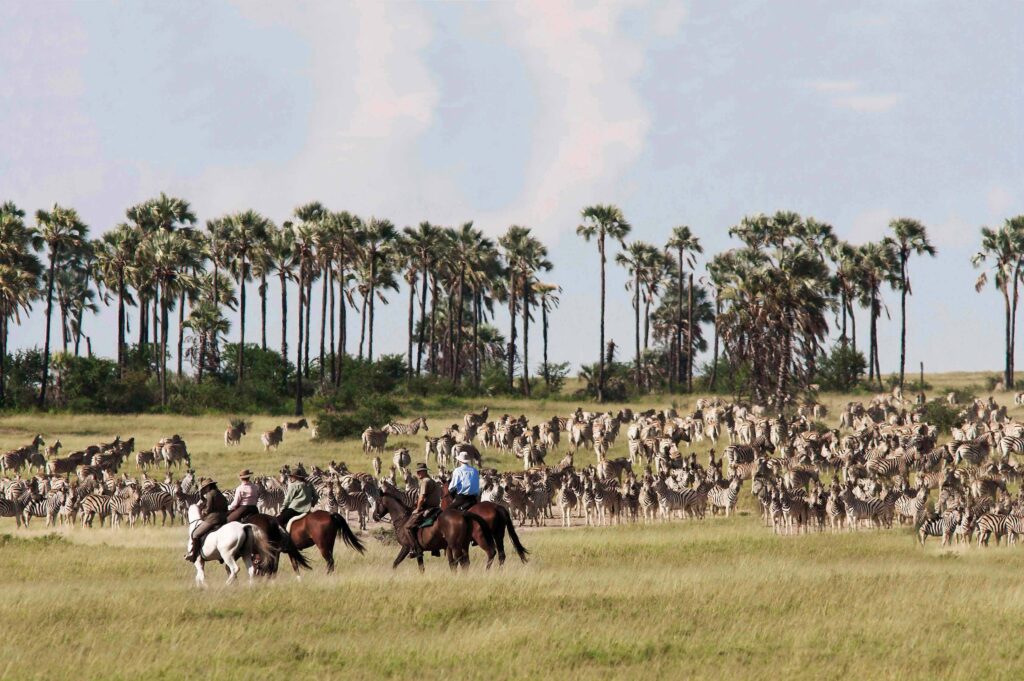
One of the biggest misconceptions is that Botswana is only worth visiting during the peak (dry) season. In reality, Botswana is one of Africa’s few genuinely year-round safari destinations, with each season offering a very different experience. Many other safari destinations practically shut down with the rains due to the black cotton soil which stops 4×4 drives – but thanks to the Kalahari sands which dominate Botswana this is not an issue.
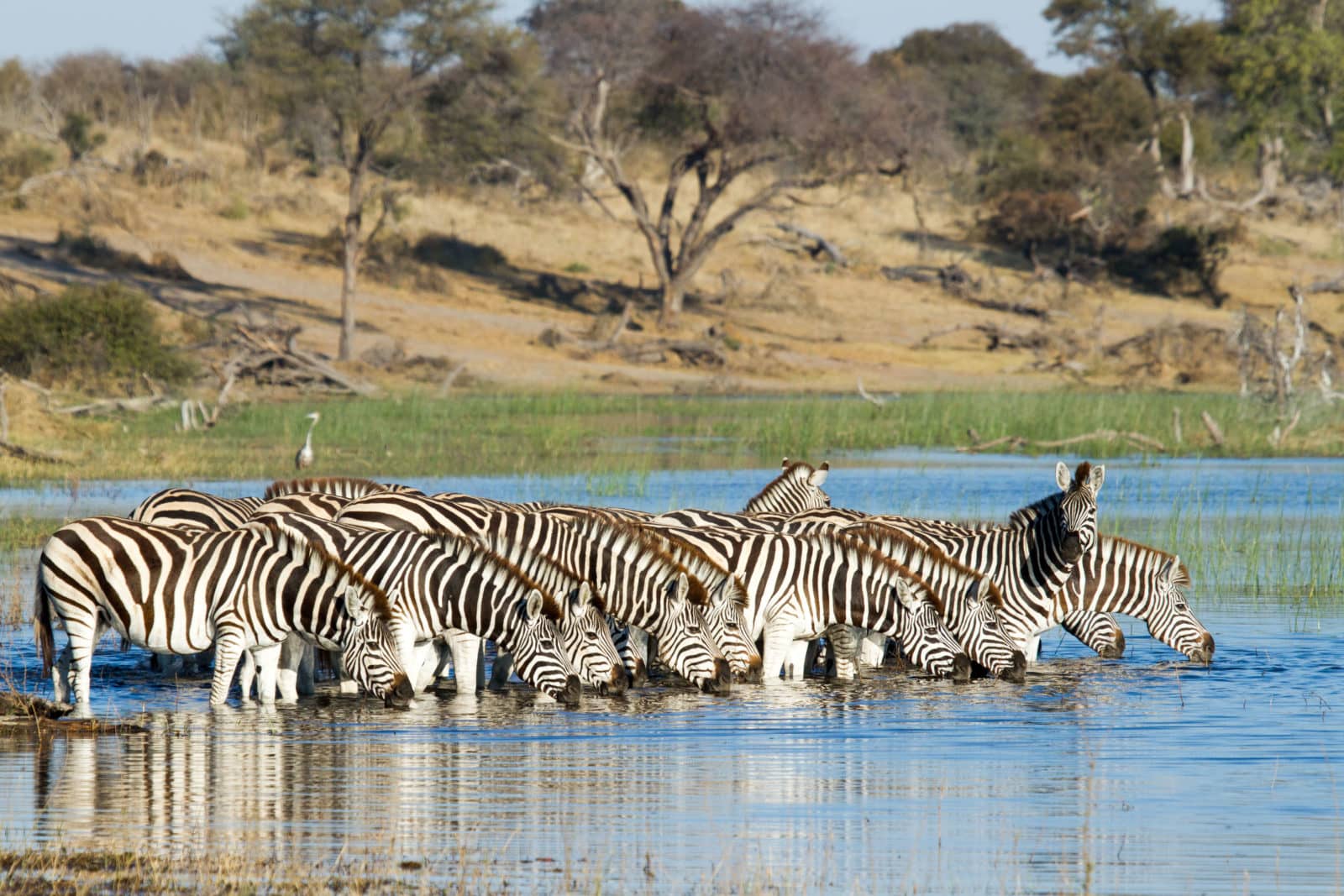
The dry winter months are popular for good reason, often offering excellent visibility and strong game viewing. But the green season brings its own rewards: dramatic skies, lush landscapes, migrant birds, newborn animals and the spectacular zebra migration into the Makgadikgadi and Nxai Pan regions. As the rains arrive, wildlife often spreads more widely across the landscape, while other areas come into their own.
The challenge is knowing where to go and when. Some camps and regions perform particularly well during certain months, while others are at their best at different times of year. The green season can also offer exceptional value, with attractive special offers and long-stay deals available at many camps.
This is one of the times when expert advice can make the greatest difference. Understanding seasonal wildlife movements, water levels, camp specials and which areas are performing best can help travellers enjoy an exceptional safari experience while often making their budget go much further.
5. Thinking Botswana Is Just the Okavango Delta
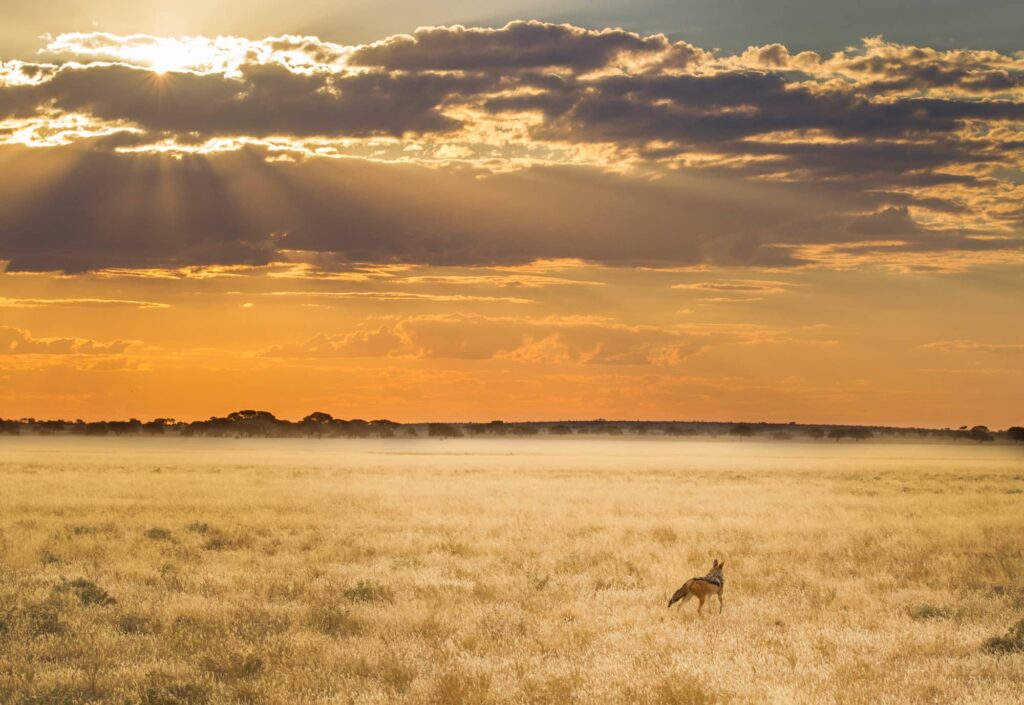
The Okavango Delta may be Botswana’s most famous safari destination, but it is only one part of a remarkably diverse country.
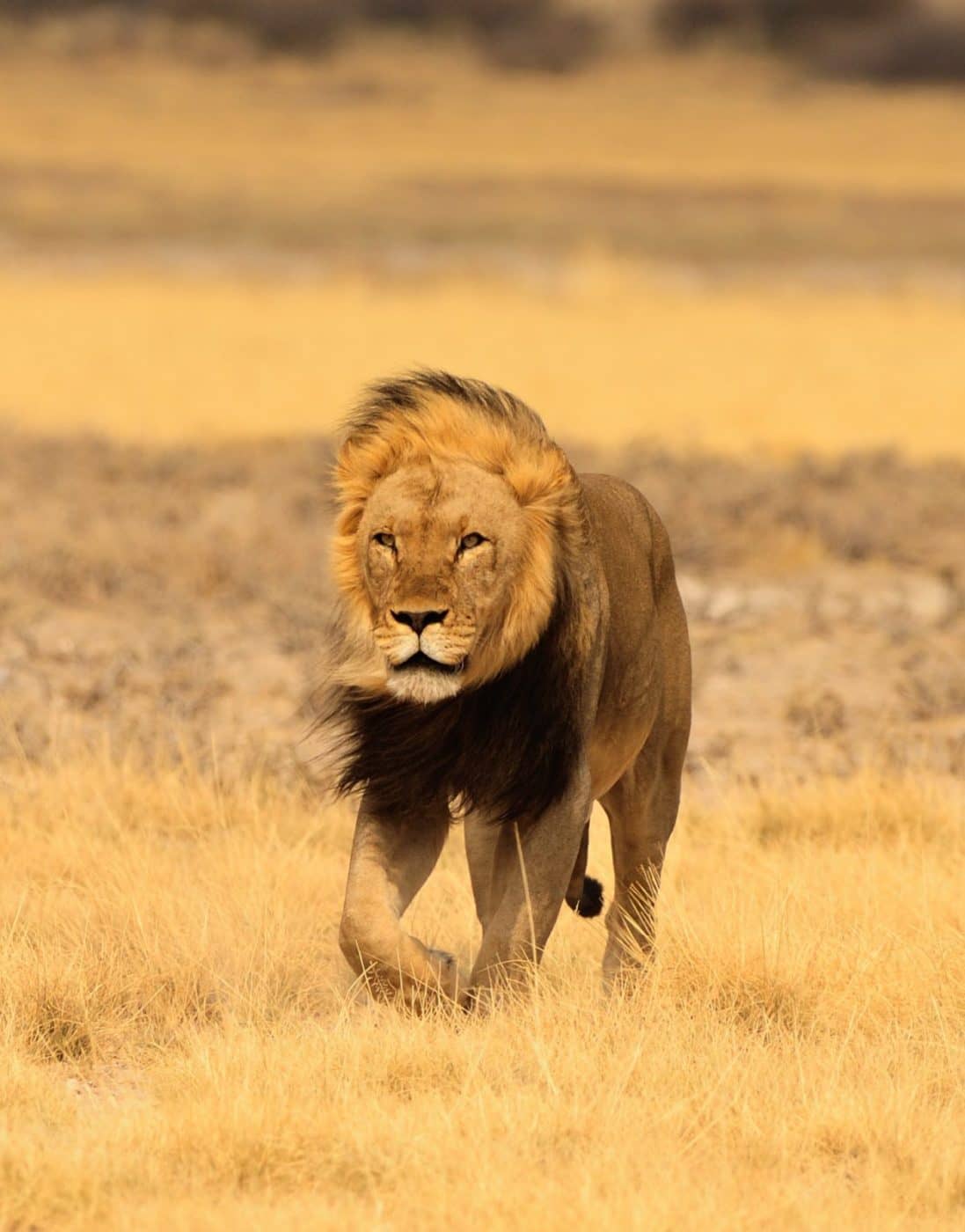
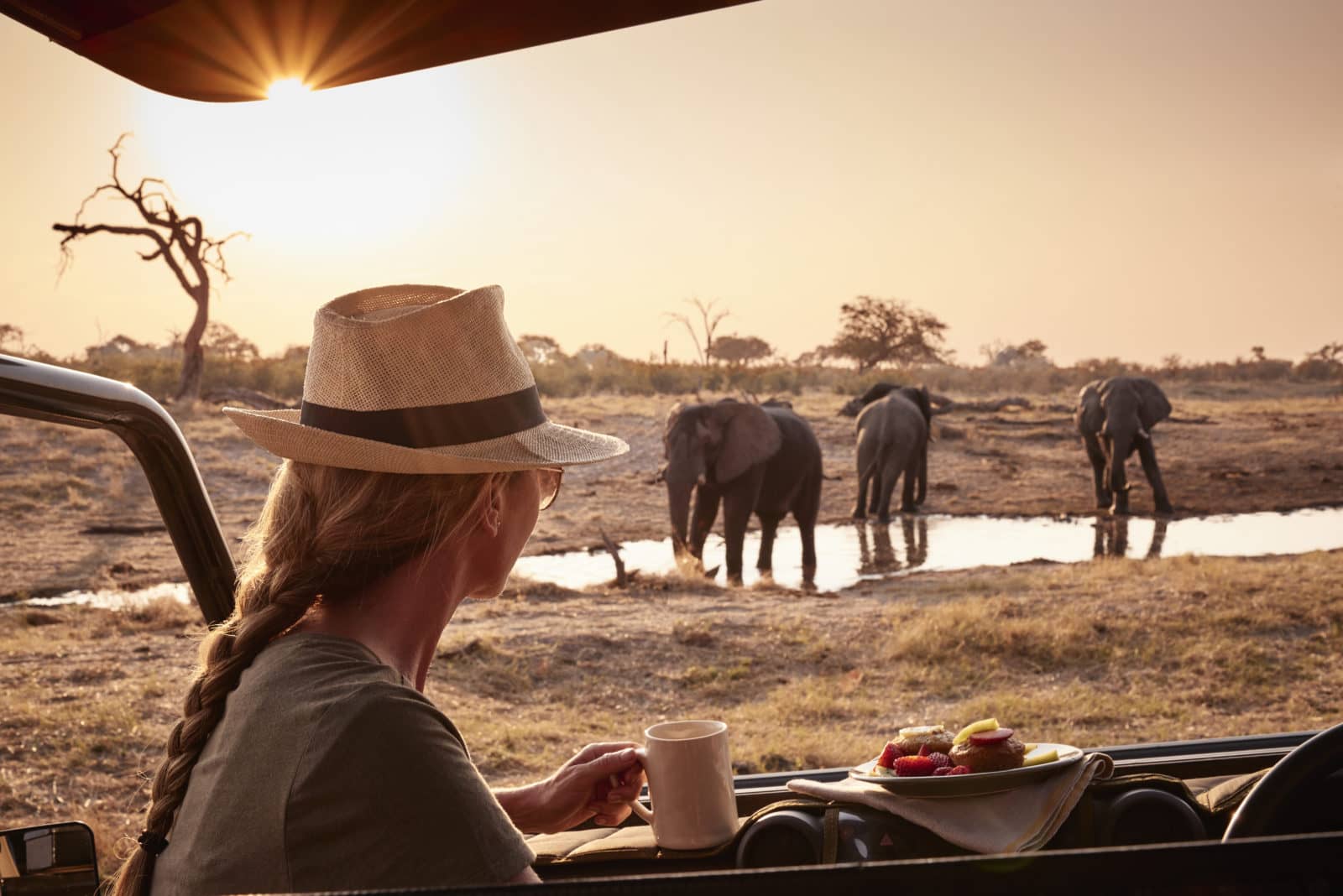
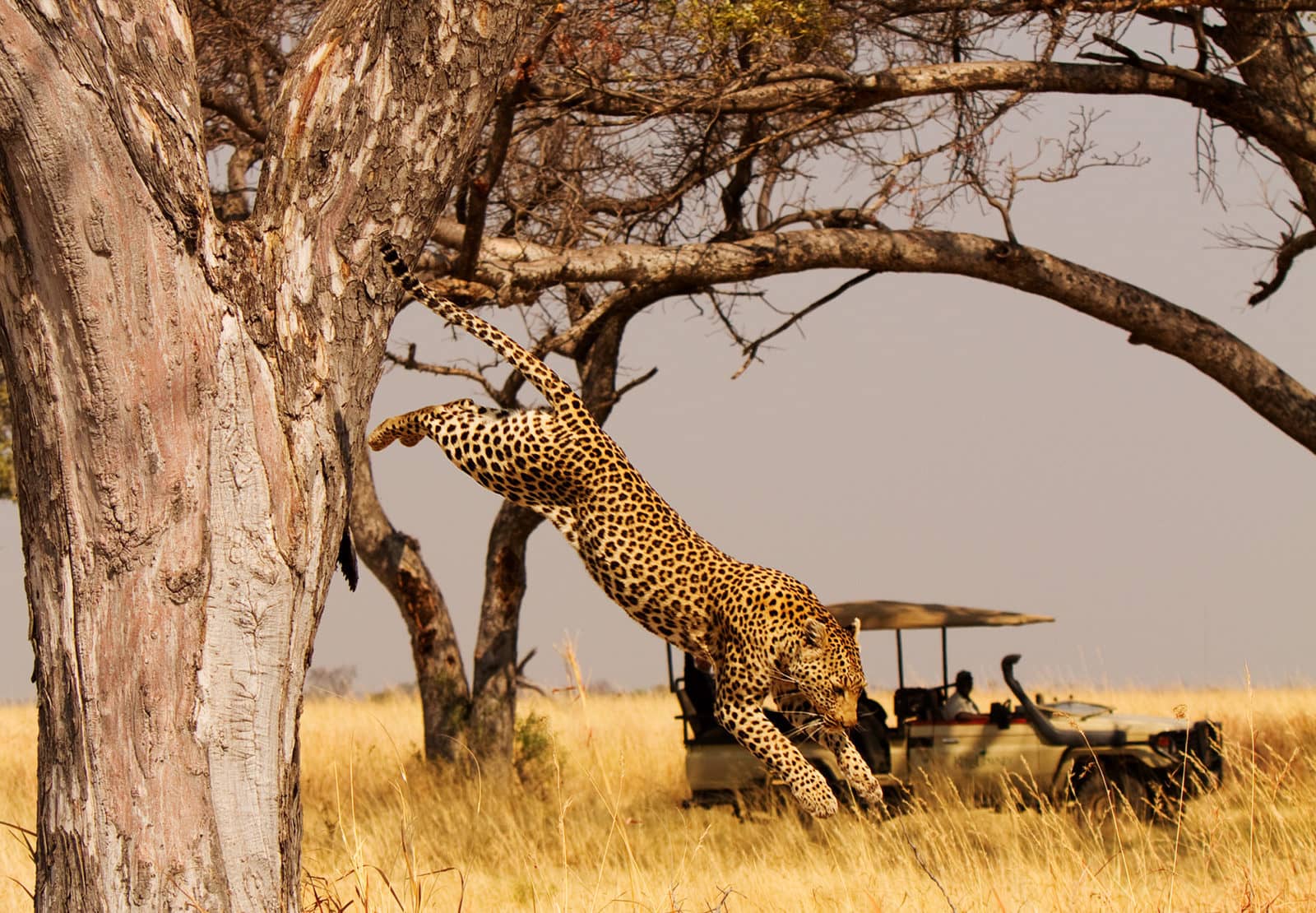
Many first-time visitors are surprised to discover how different Botswana’s safari regions can be. The Chobe Riverfront offers one of Africa’s great wildlife spectacles, particularly during the dry season when huge concentrations of elephants gather along the river. Savuti is renowned for its predators and ever-changing wildlife dynamics, while the Linyanti offers similarly exceptional wildlife viewing and elephant concentrations, but with far fewer visitors.
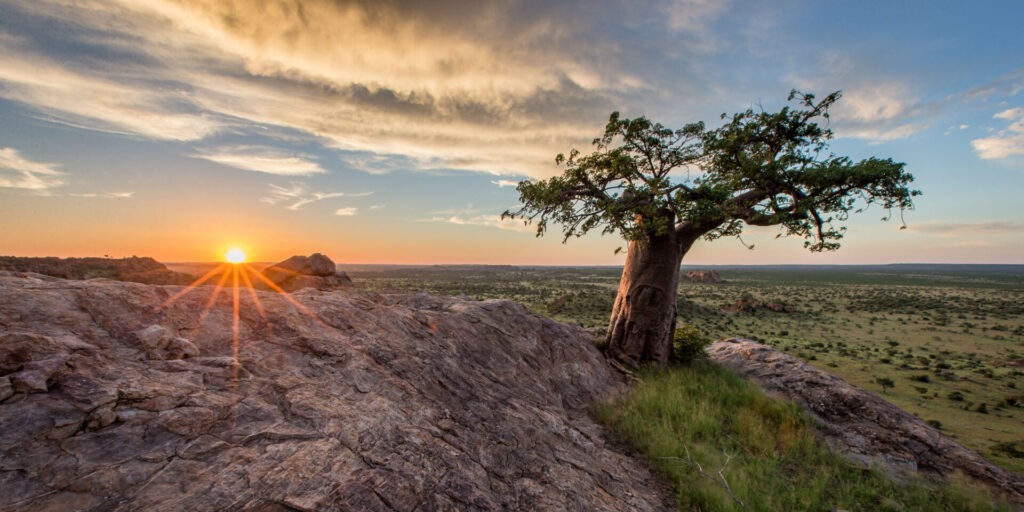
Beyond the northern safari circuit, the Makgadikgadi and Nxai Pan deliver remarkable seasonal contrasts, from vast zebra migrations in summer to shimmering salt flats and extraordinary desert experiences during the dry months. In the far west, the Panhandle and Tsodilo Hills provide a completely different perspective on Botswana, while the Central Kalahari and the Mashatu region of the Tuli Block showcase yet more contrasting landscapes and wildlife experiences.
One of the keys to planning a successful Botswana safari is understanding how these regions differ, and which combination best suits your interests, budget, season of travel and previous safari experience.
6. Underestimating the Cost of Light Aircraft Transfers
When planning a Botswana safari, many travellers focus solely on camp rates and are surprised by the cost of getting between them.
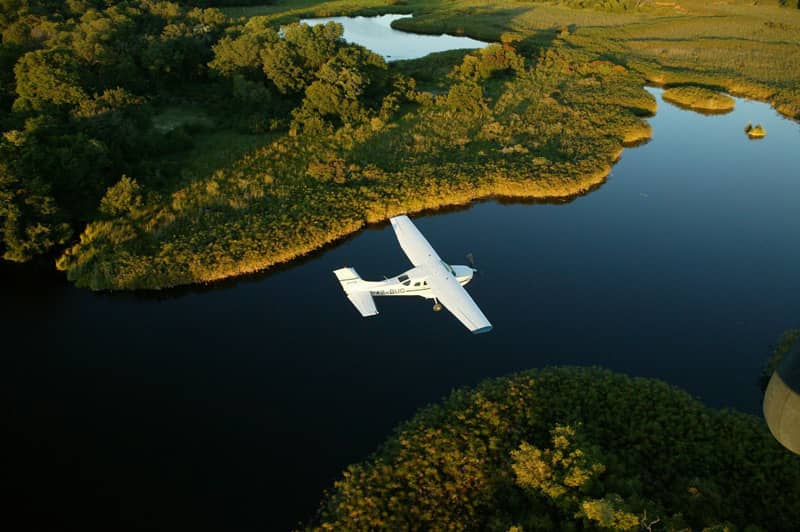
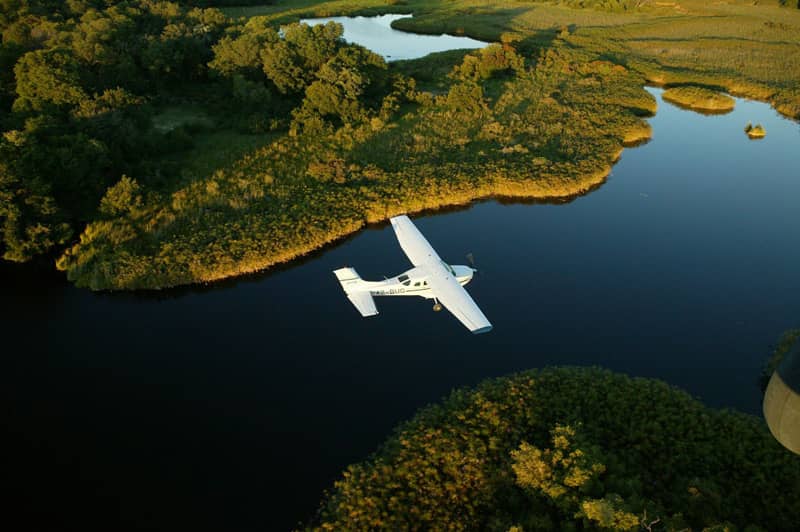
Because much of northern Botswana is so remote, light aircraft transfers are often an essential part of a Botswana safari itinerary. As a rule of thumb, flights typically cost around USD 380–450 per person each way, with some routes costing considerably more, particularly when travelling to or from Kasane (for Chobe or Victoria Falls) or other remote areas.
These costs can quickly add up, especially when combining several camps or destinations. A seemingly cheaper itinerary can sometimes end up costing more once transfer costs are factored in.
This is why it is so important to consider the overall cost of the safari rather than looking only at nightly camp rates. In some cases, a slightly more expensive camp in the right location may create a better and more cost-effective itinerary once logistics are taken into account.
7. Choosing Quantity Over Quality
When travellers are trying to make a Botswana safari fit within a budget, it is natural to look for ways to reduce costs. Sometimes that means choosing a less expensive camp, and there are often excellent alternatives to some of Botswana’s most exclusive lodges.
However, there comes a point where further cost-cutting can compromise the quality of the safari itself. Location and guiding have a far greater impact on the experience than luxury finishes or room size.
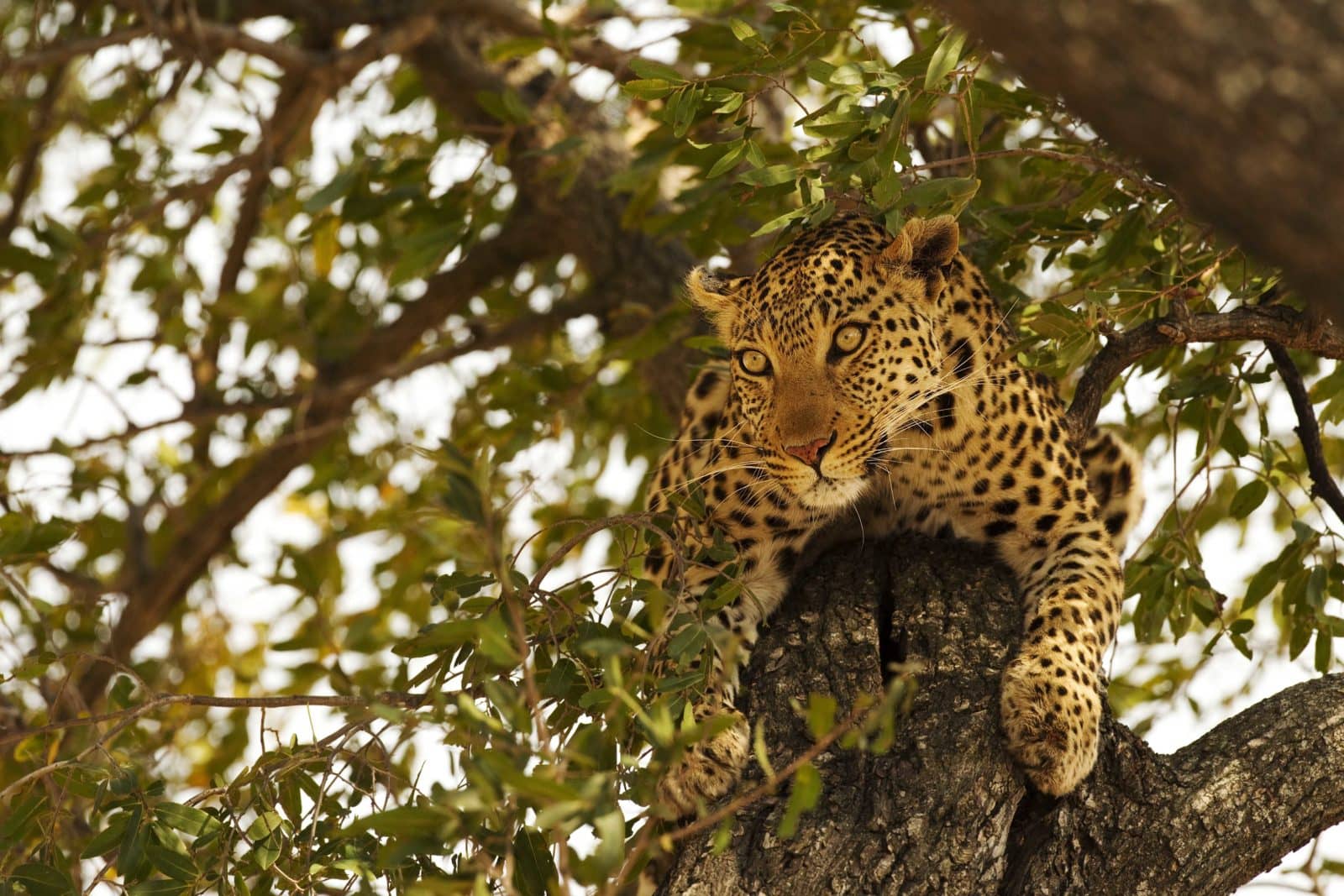
In many cases, five nights in well-located camps with excellent guides will deliver a far more rewarding safari than seven nights in less suitable locations simply to increase the overall length of the trip. Botswana’s wildlife is not evenly distributed, and the right camp in the right area at the right time of year can make all the difference.
When budgets are limited, we often find it is better to trim an itinerary slightly than compromise on the quality of the experience. The challenge is not simply finding a cheaper camp; it is knowing where savings can be made without sacrificing the quality of the safari. Our guide on how long to stay in the Okavango Delta can be helpful.

8. Waiting Too Long to Seek Expert Advice
Many travellers start by researching Botswana safari camps, comparing rates or building itineraries themselves. While there is nothing wrong with doing your own research, Botswana is a destination where specialist knowledge can make a significant difference.
Camps vary enormously in terms of location, activities and seasonal performance. Wildlife movements change throughout the year, flood levels influence activities, transfer costs can reshape an itinerary, and special offers can create opportunities that are not always obvious when looking at published rates alone.
We have found that the most successful safaris rarely start with a camp. They start with a conversation.
Understanding your interests, expectations, budget, previous safari experience and preferred style of travel allows us to recommend the right areas, camps and seasons for your trip. It can also help avoid many of the common planning mistakes covered in this article.
The best Botswana safari is not necessarily the most expensive, the longest or the one with the most famous camps. It is the one that has been thoughtfully designed around the traveller.
Final Thoughts
Botswana rewards thoughtful planning. Its wilderness areas are vast, its wildlife movements are dynamic, and its safari camps are far more varied than they may first appear.
For some travellers, the perfect safari may combine the Okavango Delta with the Linyanti or Savuti. For others, it may mean travelling in the green season to take advantage of excellent value and remarkable wildlife events. Some may prioritise predator viewing and land-based game drives, while others may dream of quiet mokoro excursions, water channels and dramatic Delta landscapes.
There is no single right answer — and that is exactly why planning matters.
A well-designed Botswana safari takes into account the traveller, the season, the budget, the logistics and the experience they are hoping to have. Get those elements right, and Botswana has an extraordinary way of exceeding expectations




Experience the Okavango Delta
Contact us for more information and to start planning your Okavango safari
Contact