
How Long Should You Stay in the Okavango Delta?
Finding the Right Length for Your Safari
There is no fixed answer to how long you should spend in the Okavango Delta. The ideal length of stay depends on three key factors: how much time you have overall, how many different areas you would like to explore, and your budget. There is also a practical consideration often overlooked — how many early mornings you are happy to embrace. How long to stay in the Okavango Delta is one of the most common questions when planning a Botswana safari.
That said, there are some clear guidelines that work well for most travellers planning a Botswana safari.
Where budget is a defining factor, we would generally recommend prioritising quality over quantity — but by quality, we mean location and wildlife experience, not simply luxury. A shorter stay in a well-located camp with strong game viewing will almost always be more rewarding than a longer stay in a more marginal or crowded area. Even reducing your safari by a single night can make a meaningful difference to cost, without compromising the overall experience.
The Minimum Stay: 3 Nights
As a general rule, we recommend a minimum of three nights in the Okavango Delta.
Given the time, cost and logistics involved in reaching camp, anything shorter rarely does the experience justice. A three-night stay allows for two full days on safari, which is enough to settle into the rhythm of an Okavango safari and begin to understand the landscape and wildlife.
Just as importantly, it allows time to slow down. A safari here is not simply about ticking off wildlife sightings or activities — it is about those quieter moments: disconnecting from daily life and reconnecting with the natural world.
The Ideal First Safari: 4–6 Nights in the Okavango
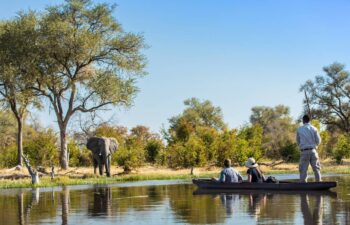
For most first-time visitors, four to six nights in the Okavango Delta is the ideal starting point.
This gives you enough time to experience the Delta properly — to explore different habitats, understand the pace of safari life, and enjoy a balance of activities — without committing too much of your overall trip to one region.
Many seasoned safari travellers will spend 10–14 days on safari, often across multiple regions or countries. While this can be incredibly rewarding, it is also a significant investment — both in time and cost.
For a first Botswana safari, a slightly shorter stay often works better. Safari days are full, early starts are the norm, and the experience itself is immersive. A well-paced four to six night stay tends to leave you wanting more, rather than feeling you have stayed too long in one place.
From here, those with more time can begin to layer in other regions of Botswana, creating a broader and more varied safari.
Why Visiting More Than One Area Matters
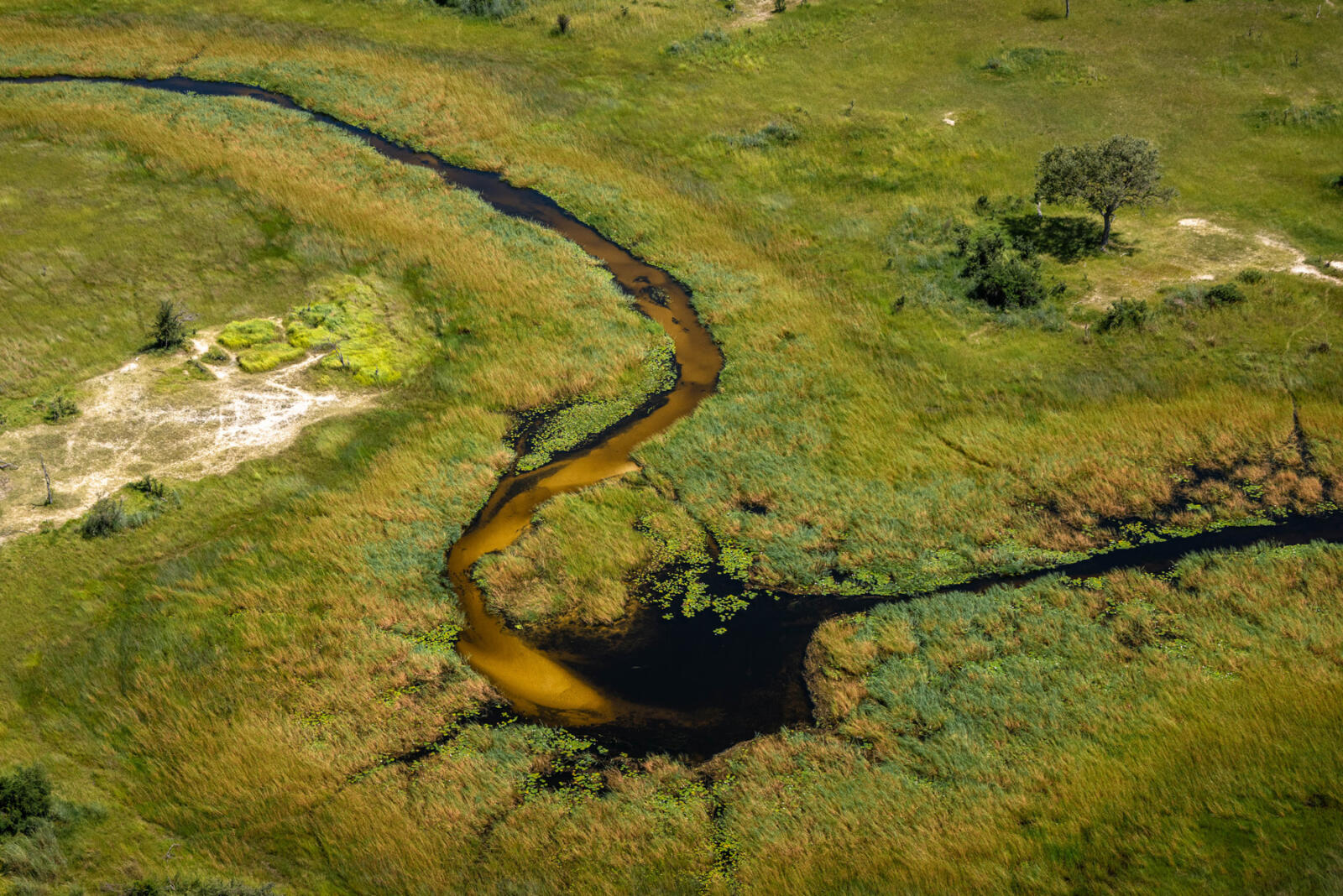
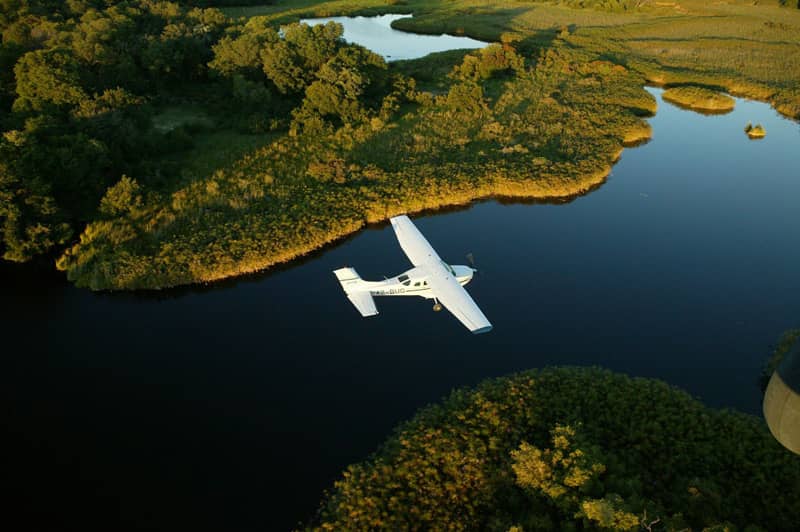
The Okavango Delta is not a single uniform landscape. It is a vast and dynamic ecosystem made up of open floodplains, permanent channels and lagoons, palm-fringed islands, and mopane and woodland areas.
Each region offers a different perspective — both visually and in terms of wildlife and activities.
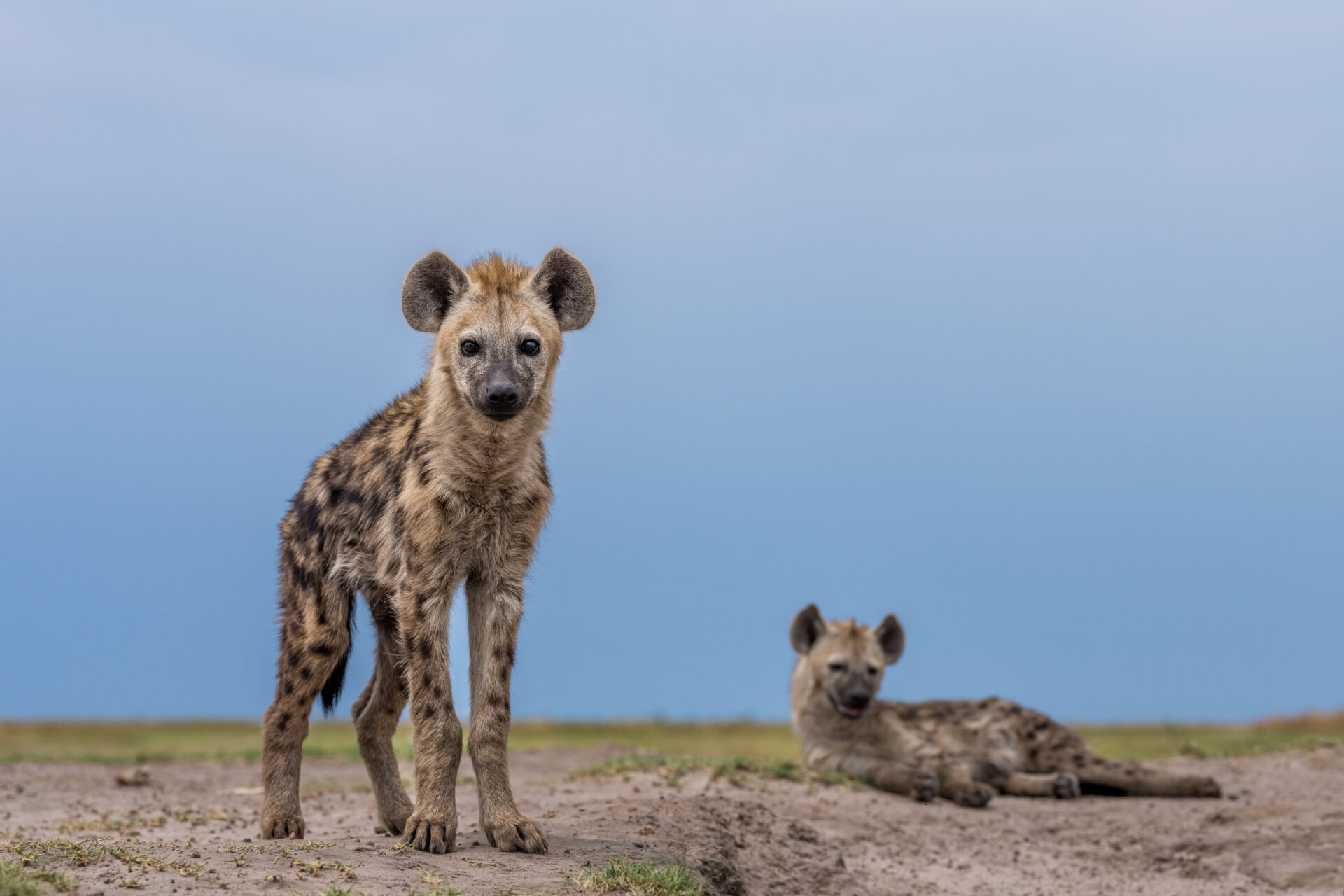
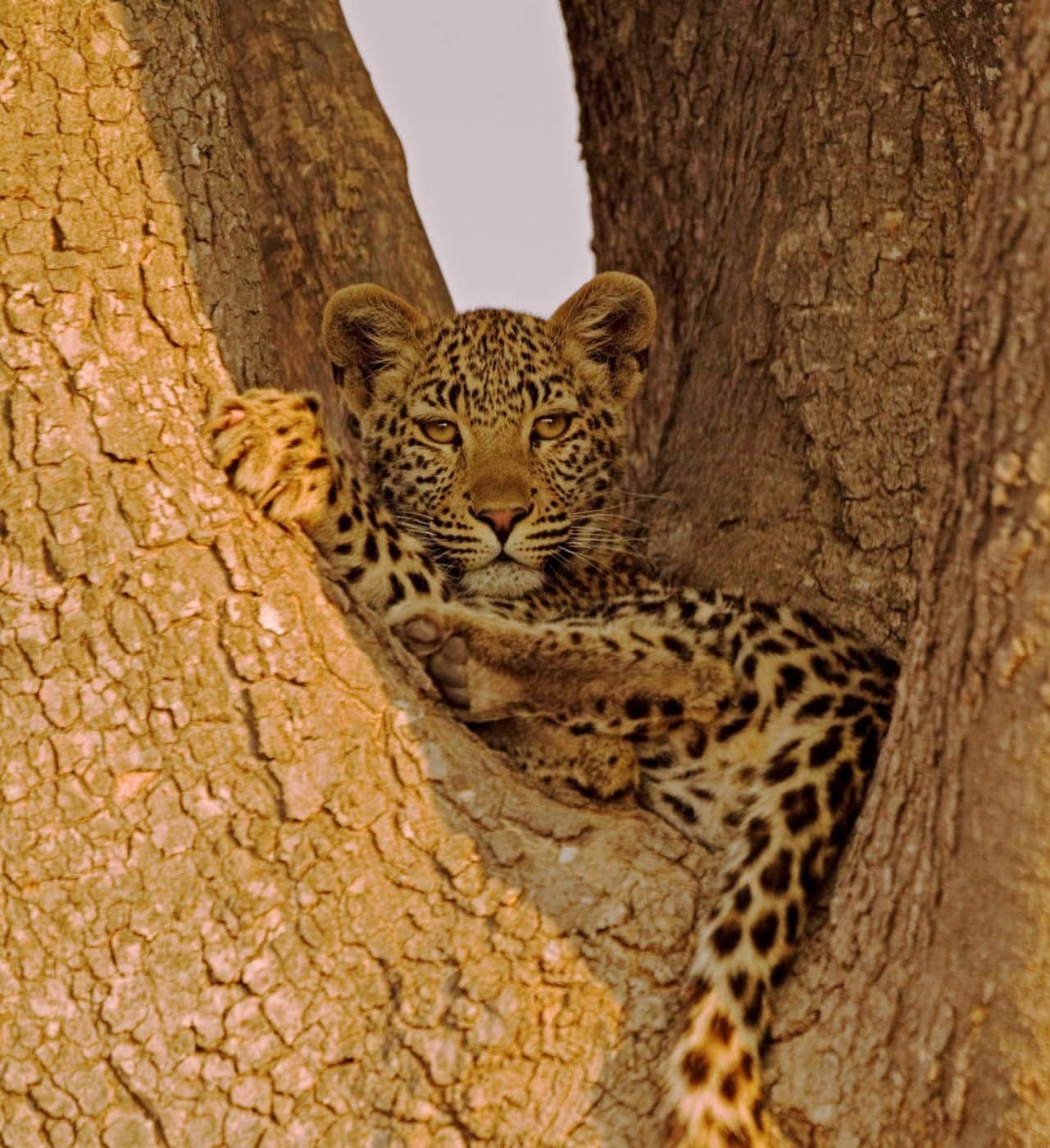
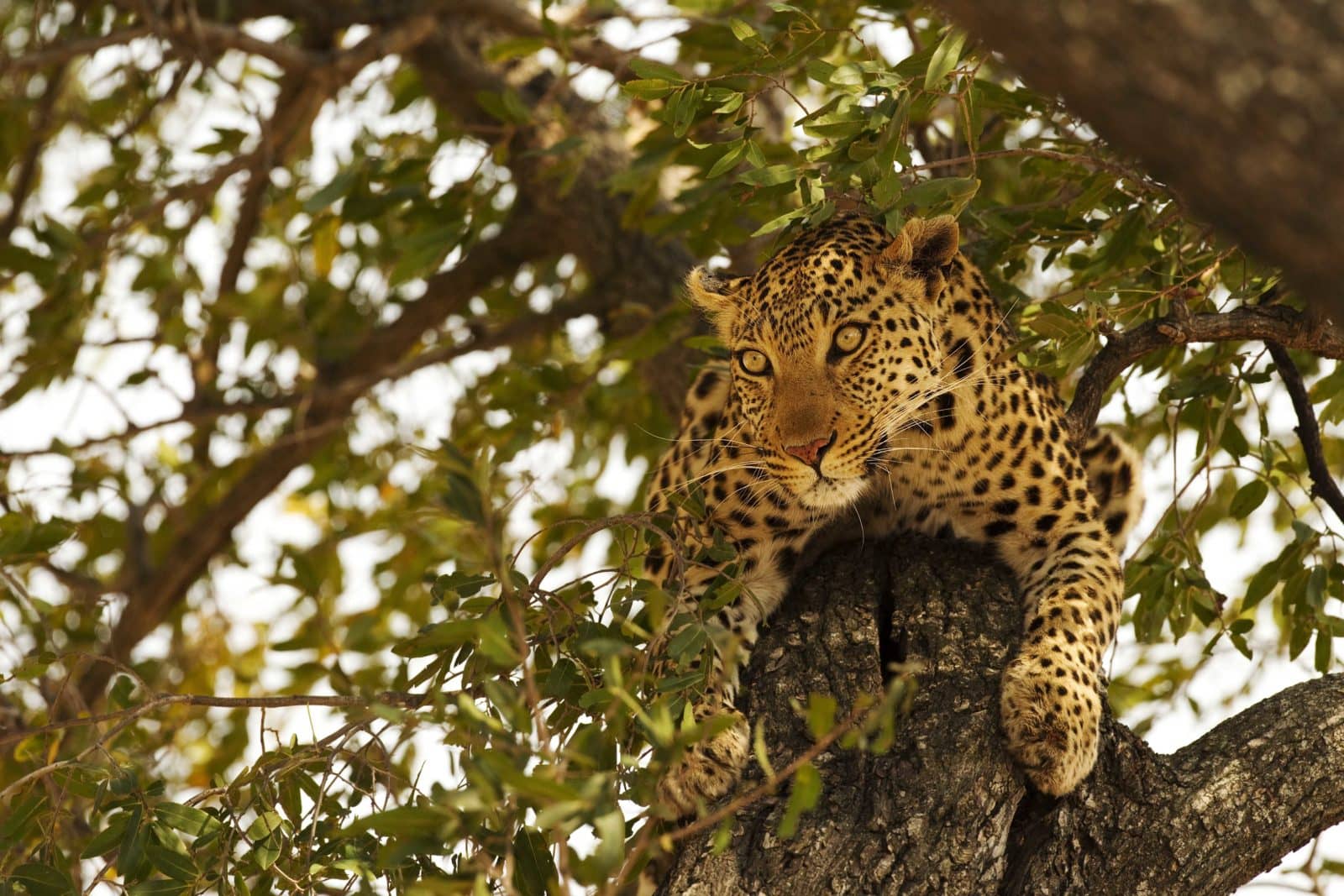
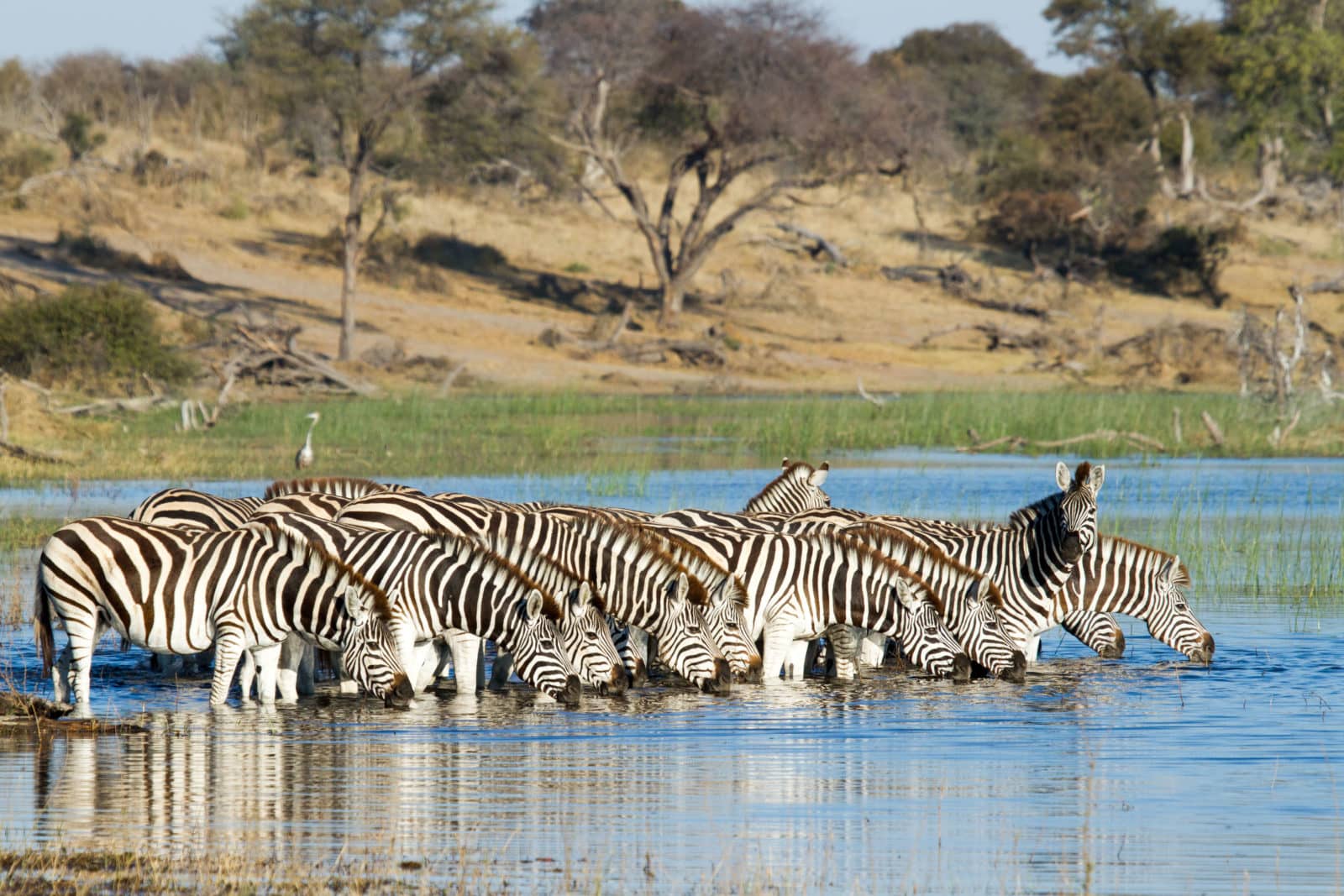
Wildlife dynamics are constantly shifting. Water levels change, prey moves, and predator territories evolve over time. Lion prides may expand or fragment, while species such as wild dog, hyena or leopard can become more prominent in different areas depending on conditions.
Because no two regions respond in exactly the same way at the same time, splitting your stay between two areas gives a far more complete and rewarding Okavango safari experience.
For this reason, for any stay of four nights or more, we would almost always recommend including at least two distinct areas.
Choosing the Right Combination of Camps
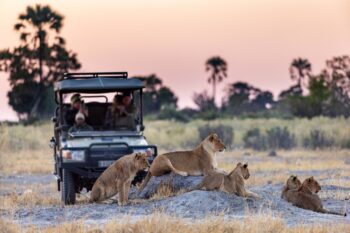
Not all camps are suited to the same length of stay. The right combination depends on the experience you are looking for — including the wildlife you hope to see, the safari activities that interest you most, and the pace at which you want to travel.
Water Camps
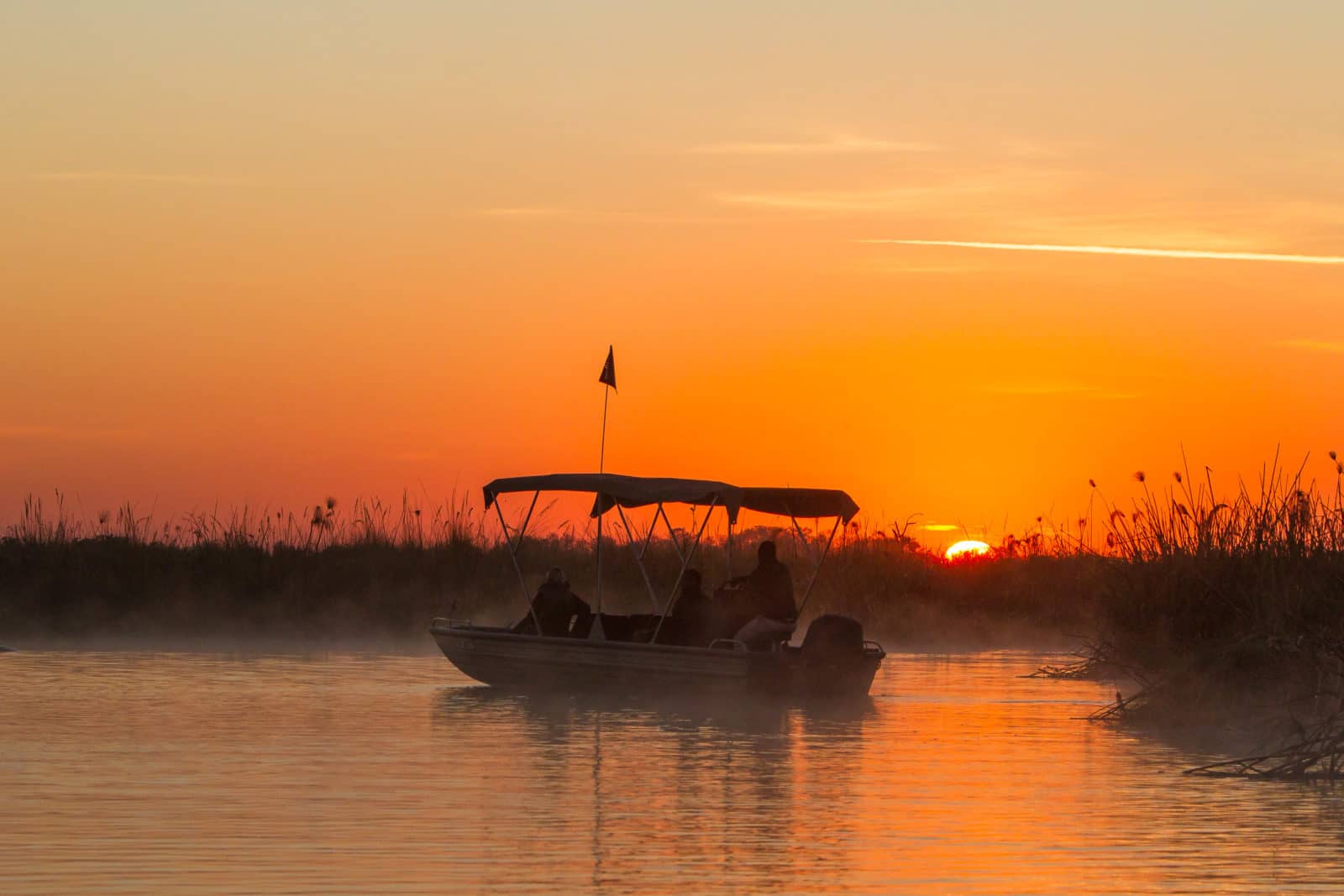
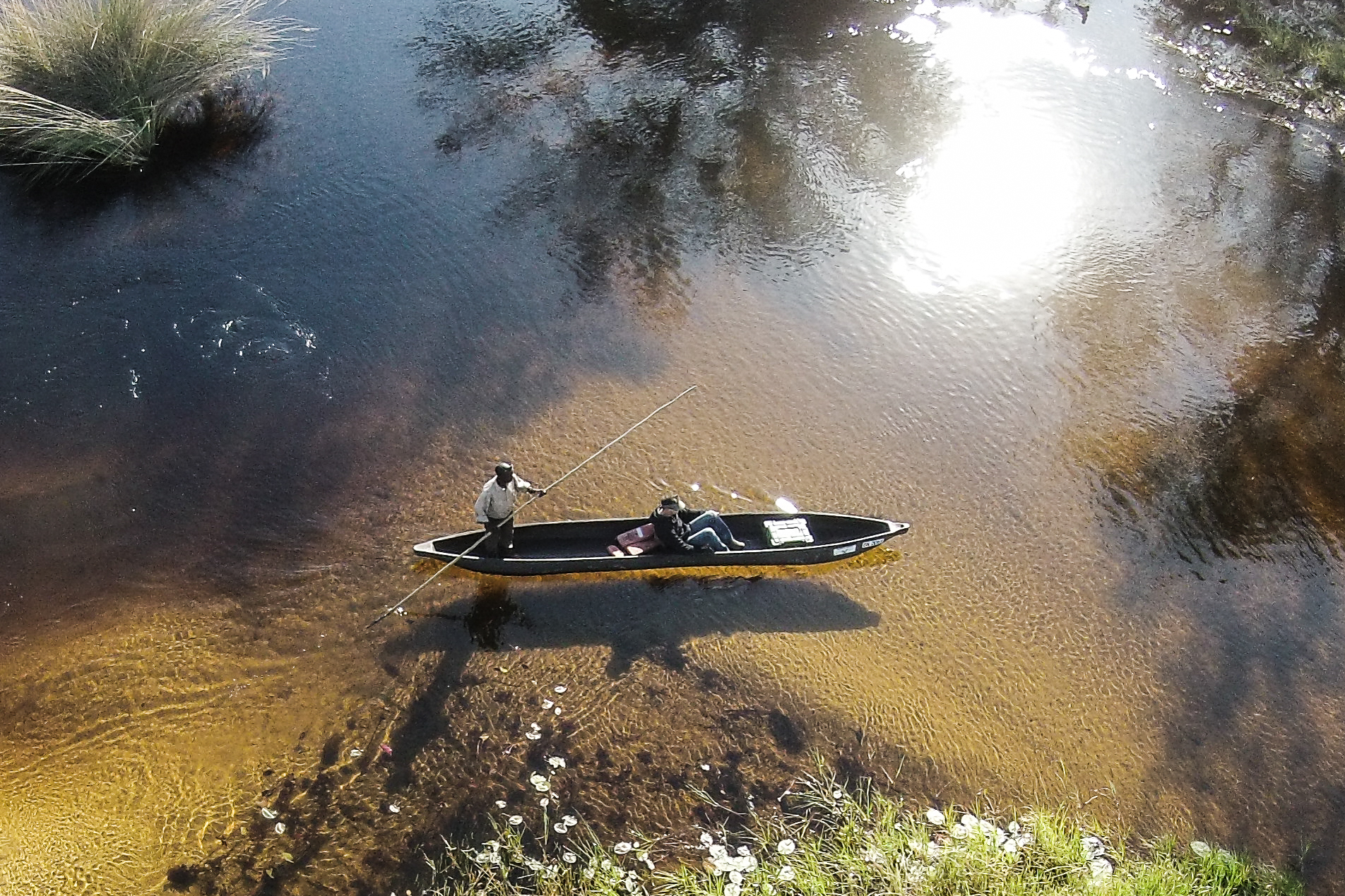
Classic water camps focus on mokoro excursions and boating, often in areas with limited dry land — and therefore do not offer game drives.
These camps are often set in some of the Delta’s most beautiful and quintessential landscapes — winding channels, lily-covered lagoons and palm-fringed islands. They lend themselves particularly well to slowing down and appreciating the quieter side of the Okavango.
Best for: 2–3 nights
Two nights works well in lighter wildlife areas
Three nights suits stronger wildlife areas, even without game drives
Land Camps
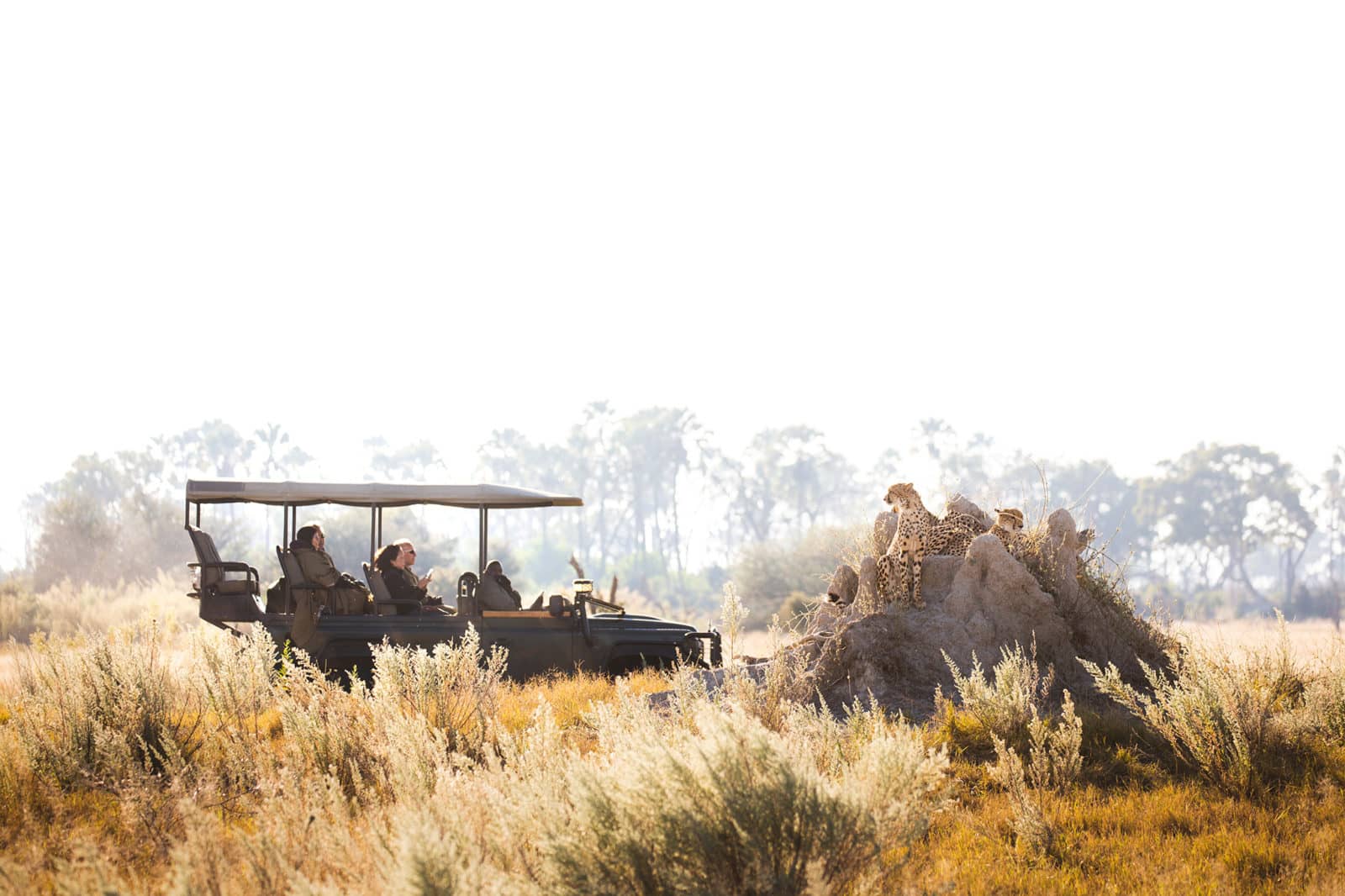
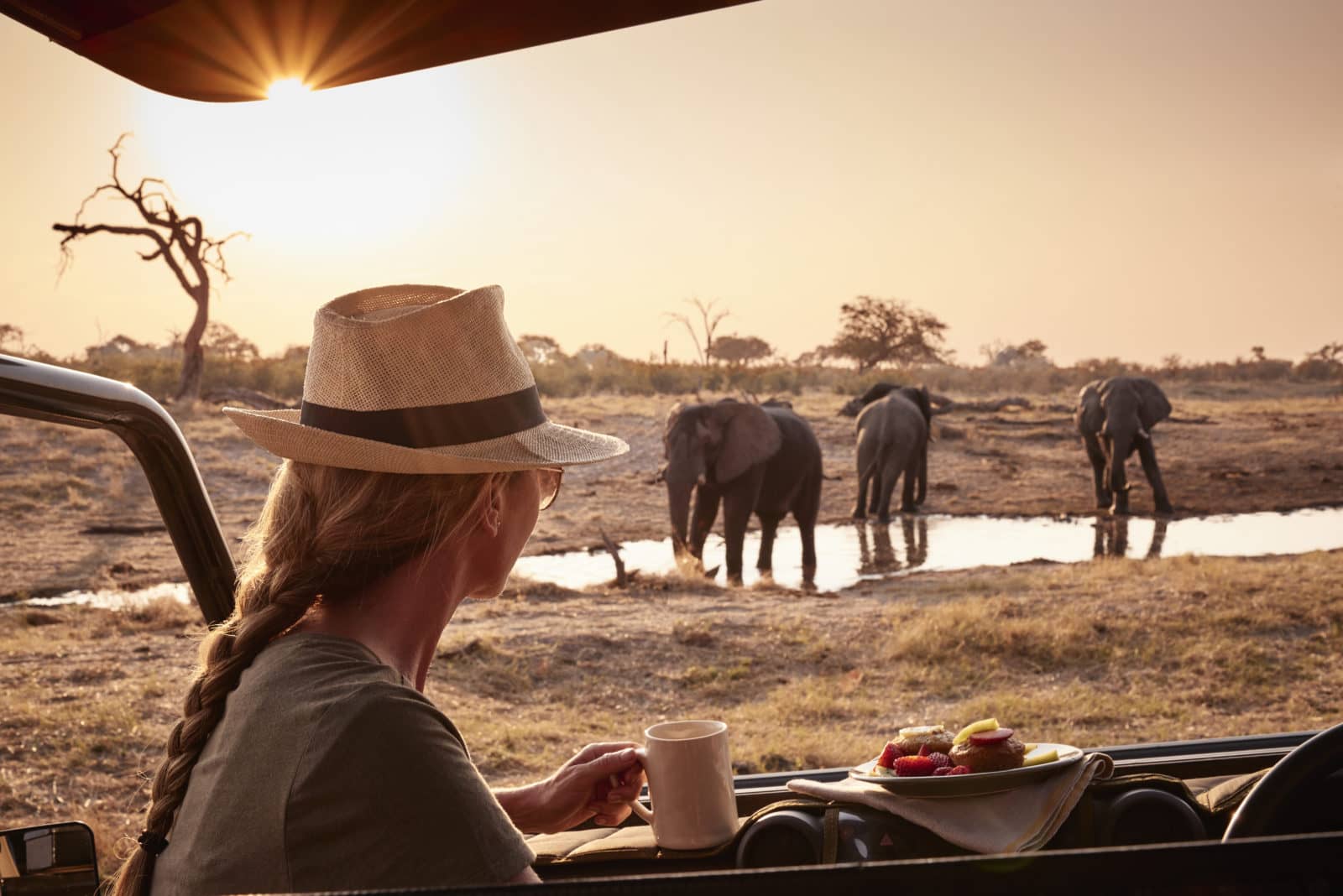
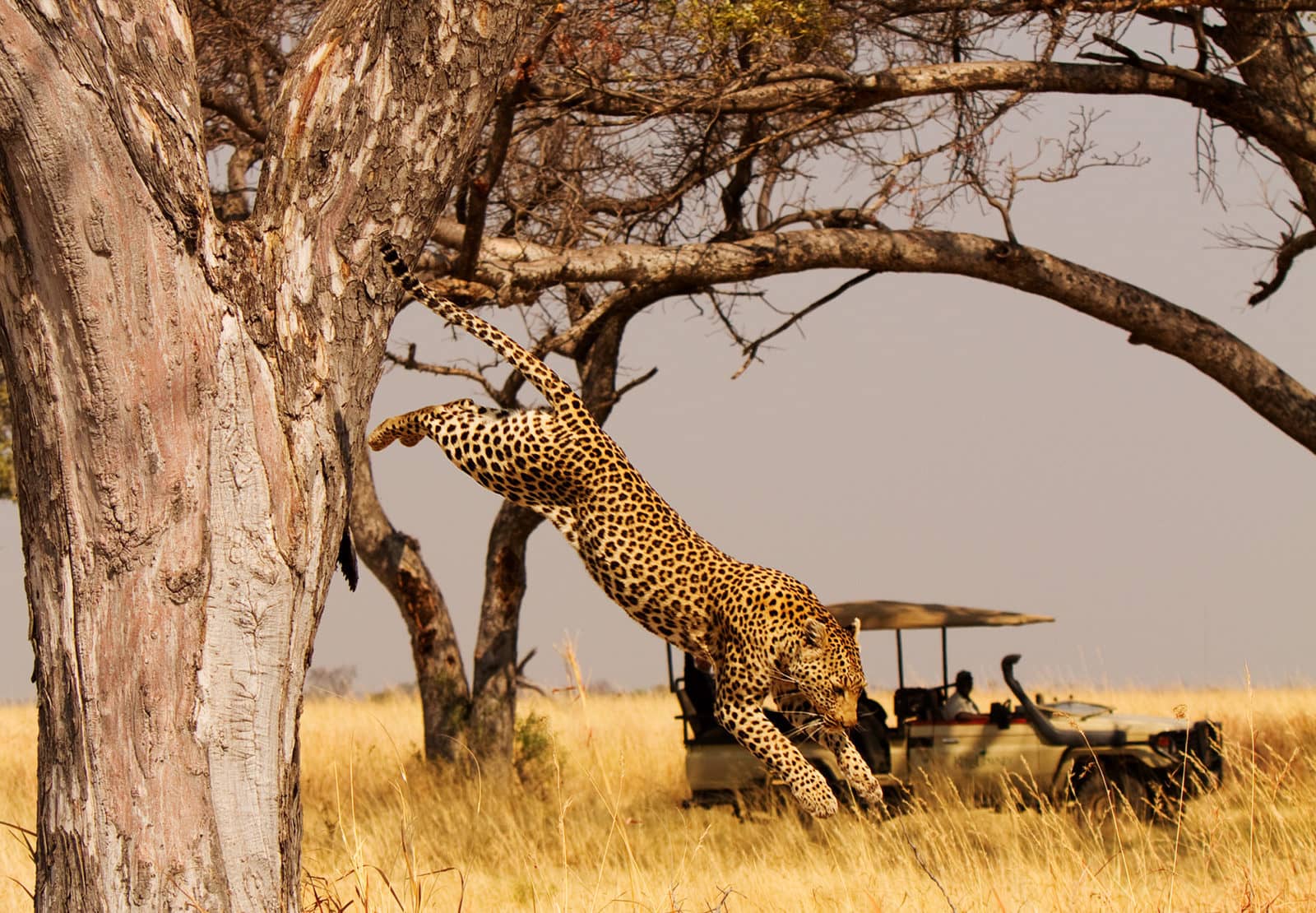
Land camps focus on 4×4 game drives and typically offer the strongest big game viewing. Much of the Delta’s wildlife favours drier areas, where conditions are more suitable for grazing and hunting, which is why these regions tend to support higher concentrations of animals.
This does not necessarily mean there is no water — channels and seasonal floodplains still support wildlife populations — but conditions are not usually suitable for water-based activities.
Best for: 3–4 nights
Ideal for those prioritising wildlife encounters
Mixed (Land & Water) Camps
Mixed camps — often referred to as land and water camps — offer both game drives and water-based activities, depending on seasonal conditions. In reality, many camps in the Okavango Delta operate as mixed camps at least part of the year, depending on water levels.
They are the most reliable and well-rounded choice, particularly for shorter itineraries.
These camps allow you to experience the Delta from both perspectives — exploring wildlife on game drives, while also spending time on the water when conditions permit. The balance between activities will vary depending on season and location.
In good flood conditions, they offer an excellent mix of both
In drier periods, they may operate more like land camps
For this reason, they work very well as a standalone option, but can also be paired with a more specialist camp to create greater contrast.
Best for: 3–5 nights
Ideal for first-time visitors or those visiting only one camp
Strength: flexibility and a broad Okavango safari experience
Beyond the Okavango Delta
While the Okavango Delta is the centrepiece of most Botswana safaris, the wider country offers remarkable contrast for those with the time.
Kalahari — including the Makgadikgadi Salt Pans and the Central Kalahari Game Reserve — offers vast, open landscapes with a completely different pace and feel. In the right season, this region provides stark beauty, desert-adapted wildlife, and, at times, dramatic migrations.
Savute is known for its shifting conditions and often intense predator interactions, offering a more raw and unpredictable safari experience.
Linyanti offers excellent game viewing in a quieter, more remote setting. The Linyanti system shares ecological similarities with the Chobe Riverfront, but without the density of vehicles, making for a more private safari experience.
With a well-planned four to six nights in the Okavango Delta, many itineraries can then be extended into one of these regions, creating a more diverse and rewarding Botswana safari.
How Many Camps Should You Visit?
As a simple guide:
3 nights → One mixed (land & water) camp
4–6 nights → Two camps, ideal for a first Okavango safari
7 nights → Two or three camps
8+ nights → Three or more camps, often including other regions of Botswana
If you are only visiting one camp, we would strongly recommend choosing a mixed activity camp to ensure a well-rounded experience.
Final Thoughts
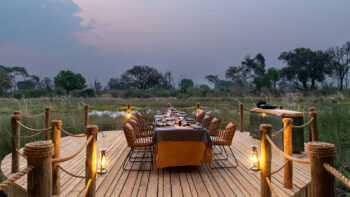
An Okavango safari is not about rushing between sightings, but about settling into a rhythm — early mornings, time on the water, long afternoons, and evenings under open skies.
The right length of stay allows you to experience this fully, without either feeling rushed or overstaying to the point where the magic fades.
For most travellers, that balance begins with four to six nights in the Okavango Delta, before expanding into the wider landscapes of Botswana.




Experience the Okavango Delta
Contact us for more information and to start planning your Okavango safari
Contact