
Why Are Botswana Safaris So Expensive?
Travelling in Botswana — particularly to the Okavango Delta — is often described as one of Africa’s most exceptional safari experiences, but it also comes with a price tag that can surprise even seasoned travellers.
So, why are Botswana safaris so expensive?
The short answer is that Botswana has chosen a very deliberate approach to tourism: low volume, high value. Fewer camps, fewer guests, and a focus on preserving wilderness rather than maximising visitor numbers.
The reality, however, is more nuanced. From how land is managed across Botswana’s key safari areas, to how camps are built and supplied in remote regions like the Okavango Delta, there are a number of underlying factors that shape both the experience and the cost.
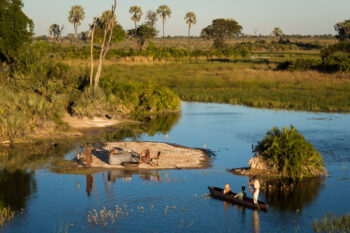
A low-volume, high-value approach to Botswana safaris
Botswana has intentionally limited the number of camps and visitors allowed into its key wildlife areas, particularly in the Okavango Delta, in order to reduce environmental impact.
Unlike destinations that rely on higher visitor numbers, such as the Maasai Mara and Serengeti, Botswana’s model is built around space, privacy and minimal disruption to the natural environment. Camps are small — often with just 4 to 8 rooms — and spread across vast areas of wilderness.
This means fewer guests are sharing the overall cost of running each camp, which naturally pushes prices higher.
Truly wild — and deliberately kept that way
One of the biggest reasons a safari in Botswana feels different is also one of the biggest drivers of cost.
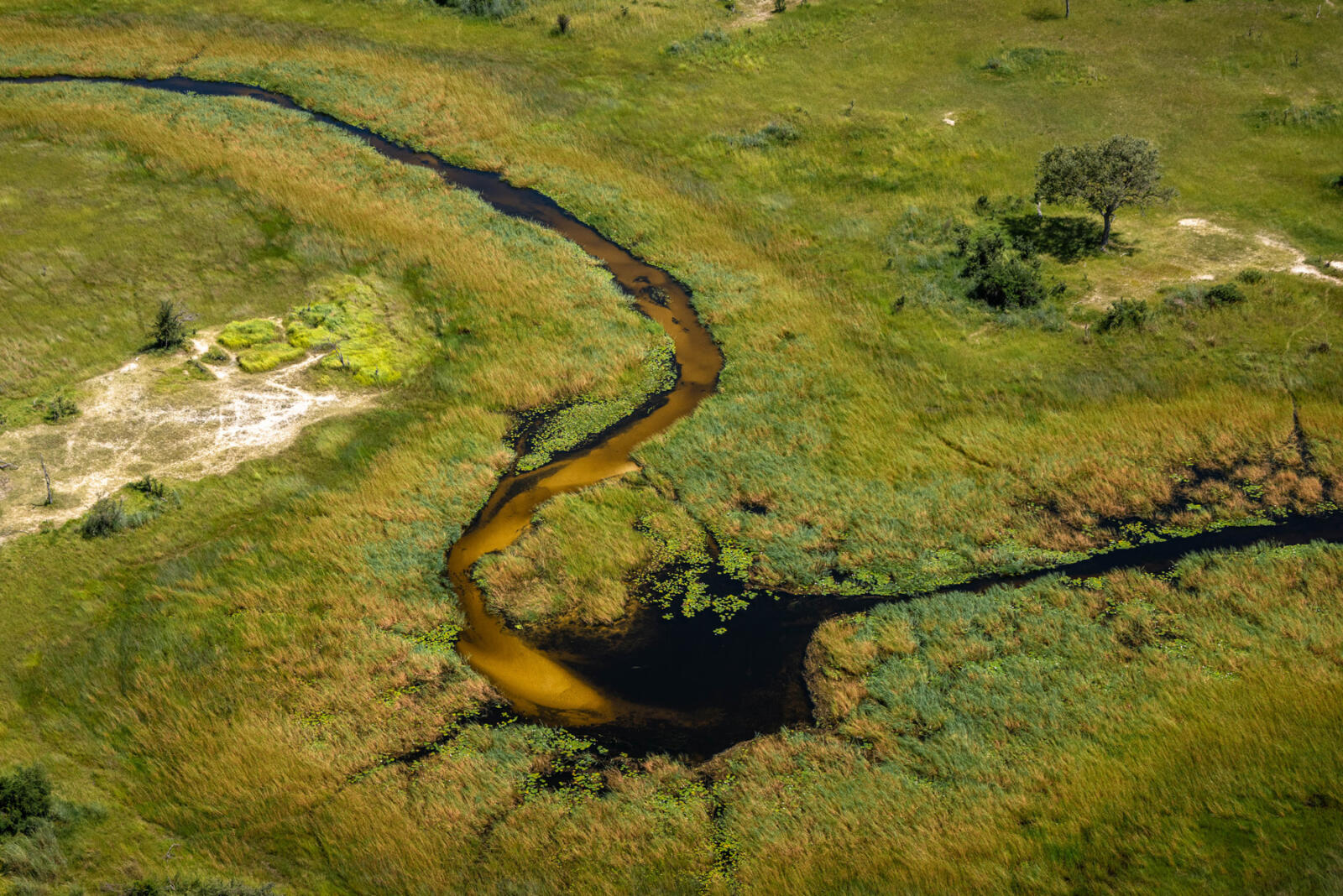
Much of Botswana’s wilderness — particularly in the Okavango Delta — remains genuinely untouched. These are vast, intact ecosystems that have never been developed.
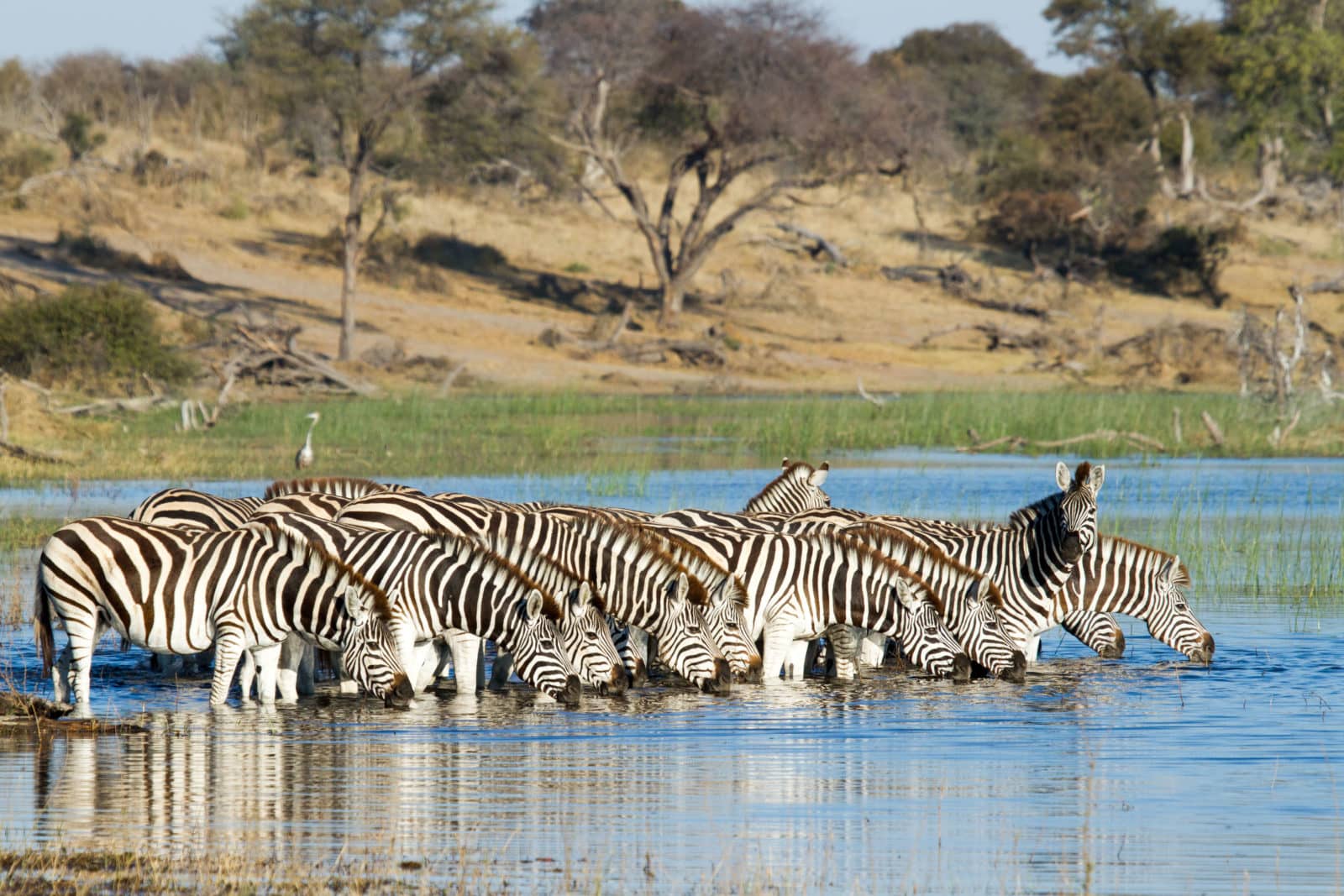
There are no fences here. Wildlife moves freely across vast landscapes, following seasonal patterns as it always has. This is very different to many other safari areas in Africa, where boundaries are more defined.
There are also no permanent roads — only dirt tracks, which shift with the seasons and can become challenging to navigate. This adds another layer of complexity to operating in these areas.
There is very little sense of human presence. No distant glow on the horizon, no background hum of infrastructure, no passing traffic or village noise at night. It is quiet in a way that is increasingly rare — and carefully protected.
Operating in areas like this is inherently complex. Camps are built under strict ecological guidelines, designed to have as little impact on the environment as possible. Structures are non-permanent, avoiding fixed materials such as concrete.
This means ongoing maintenance is a constant consideration, and everything that comes into camp must also be taken out again. Even waste removal is a logistical exercise — it can take days for it to be transported back to Maun.
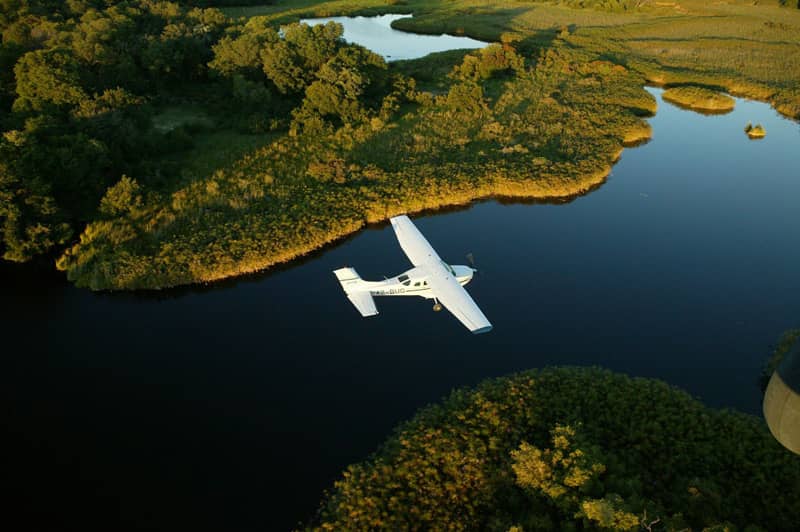
When the annual flood arrives, access becomes even more challenging. Supplies and fuel may take days to reach camp, moving by a combination of dirt tracks, boats and light aircraft. Fresh produce is often flown in.
This is not inefficiency — it is the reality of operating in a place that has been left wild.
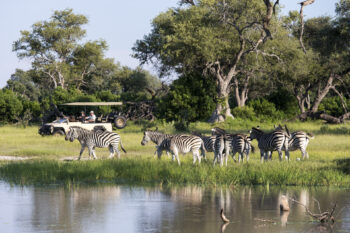
A country committed to conservation
Botswana has taken a long-term view when it comes to conservation.
Approximately 38% of the country’s land is set aside as national parks, game reserves and wildlife management areas, including the Okavango Delta, Chobe National Park and Central Kalahari Game Reserve.
This is a significant proportion by any standard, and it reflects a clear decision to prioritise wilderness and wildlife at a national level.
Maintaining and protecting these areas comes with real and ongoing costs. Tourism plays a key role in supporting this model — not just through park fees, but through the broader structure of low-volume, high-value travel.
In simple terms, the same approach that keeps Botswana wild also shapes the price of experiencing it.
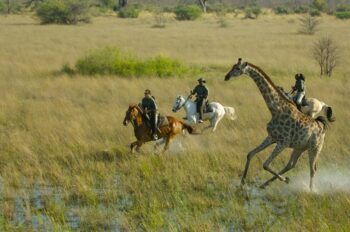
Private concessions and how they shape the experience
A significant part of the cost of a Botswana safari sits behind the scenes, in how the land itself is managed.
Many of Botswana’s most sought-after safari areas are not within national parks, but on private concessions. These are large tracts of wilderness leased by safari operators from local community trusts or Land Boards, often under long-term agreements that grant exclusive or very low-density access.
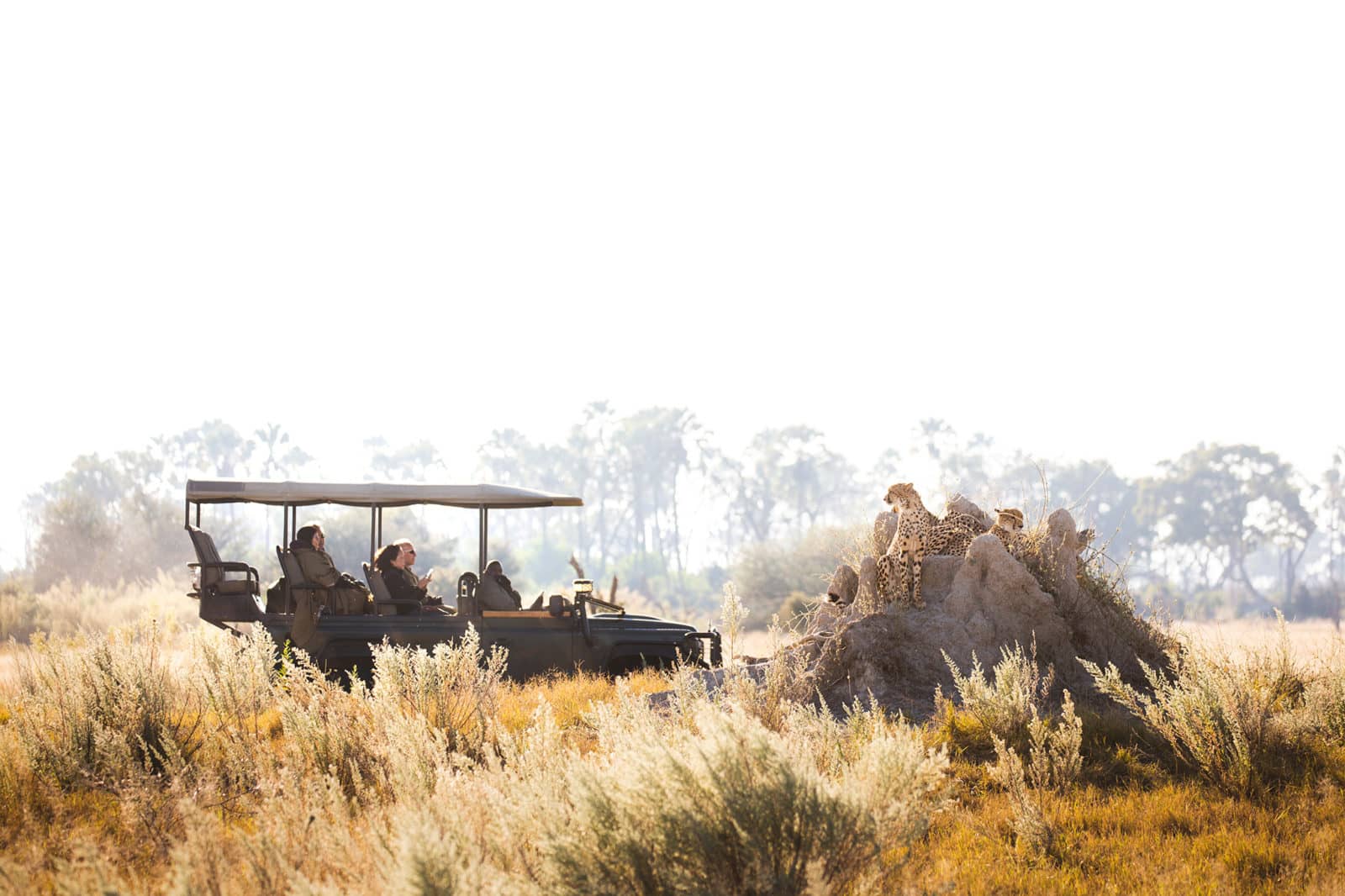
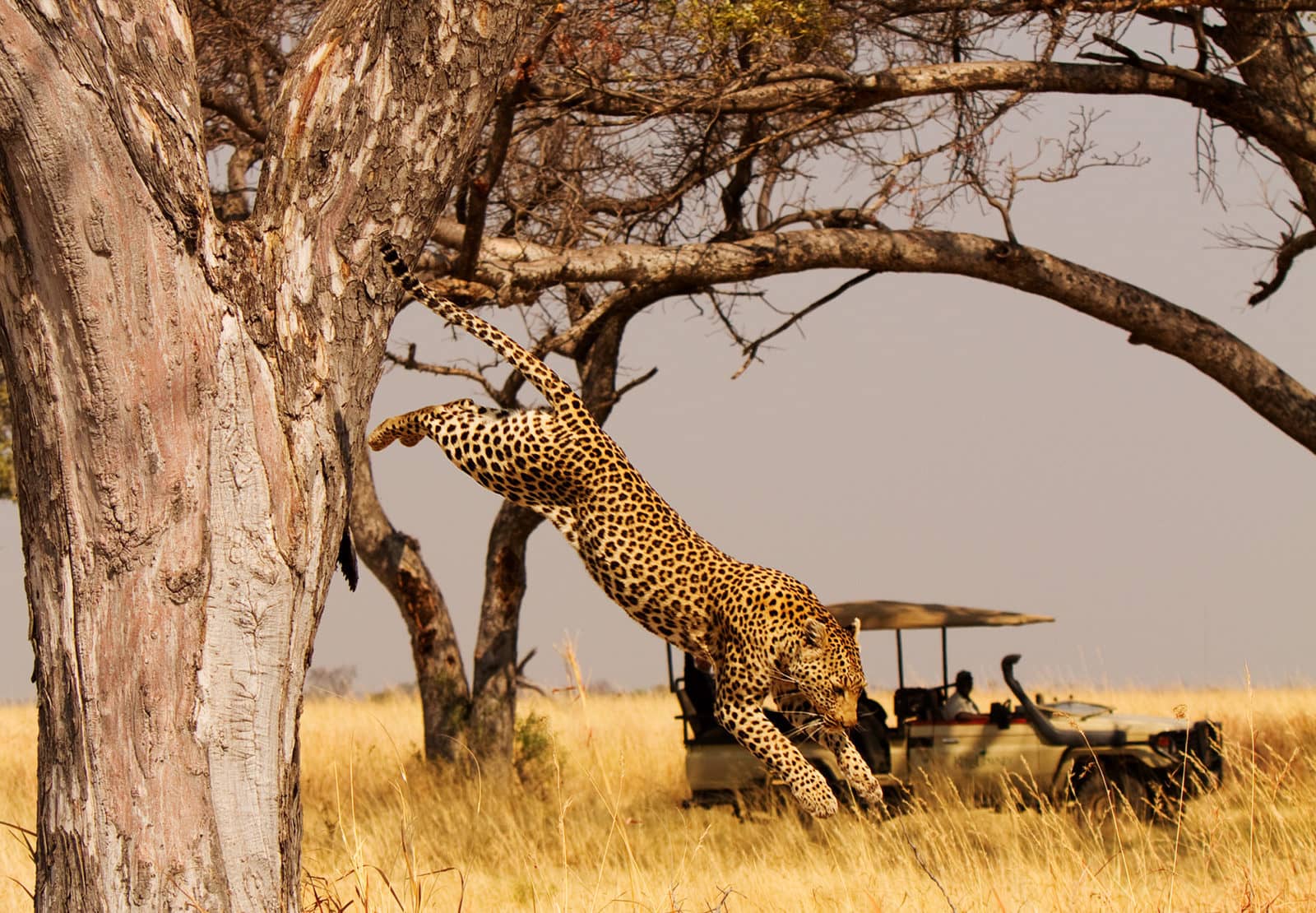
These concessions are what allow for a very different safari experience — fewer vehicles, more flexibility with activities such as off-road driving, walking safaris and night drives, and a far greater sense of space.
They also come at a cost. Operators typically pay substantial concession fees, either as fixed leases or on a per bed-night basis.
The revenue generated supports conservation and community initiatives in a direct and ongoing way — funding anti-poaching efforts, wildlife monitoring and research, as well as local infrastructure, education and healthcare. Employment within camps and the wider tourism network provides further long-term benefit to surrounding communities.
In simple terms, the same structure that keeps these areas protected and uncrowded is also what makes them more expensive to operate.
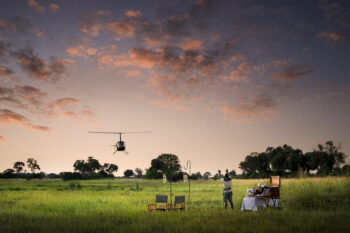
Getting there is part of the cost
Botswana’s key safari areas are remote, and reaching most camps involves light aircraft transfers from hubs such as Maun or Kasane.
These flights are not optional extras — they are a necessary part of accessing camps that are far from towns or road networks. Aircraft, fuel, maintenance and logistics all contribute to the overall cost of a safari.
Once in camp, everything from food and drink to building materials and fuel has been brought in the same way.
Small camps and high staff ratios
Safari camps in Botswana are intentionally small and highly personalised.
With fewer rooms, camps employ relatively large teams to deliver hosting, guiding, cooking and camp operations at a consistently high standard.
Again, with fewer guests in camp, these costs are shared across a smaller number of people.
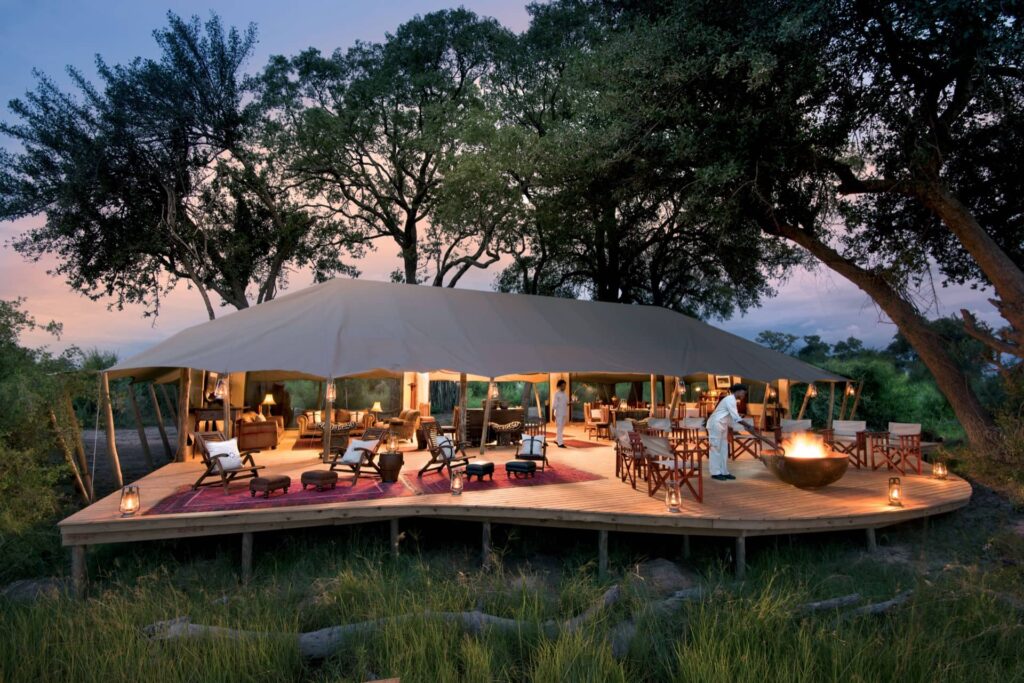
So, is Botswana worth it?
Botswana is not the right fit for every traveller, and it is not positioned as a budget safari destination.
A similar level of comfort and luxury can be found elsewhere in Africa, often at a lower price point. What sets Botswana apart is the experience: abundant game, very few other vehicles, and a remarkable sense of space within a truly untouched wilderness.
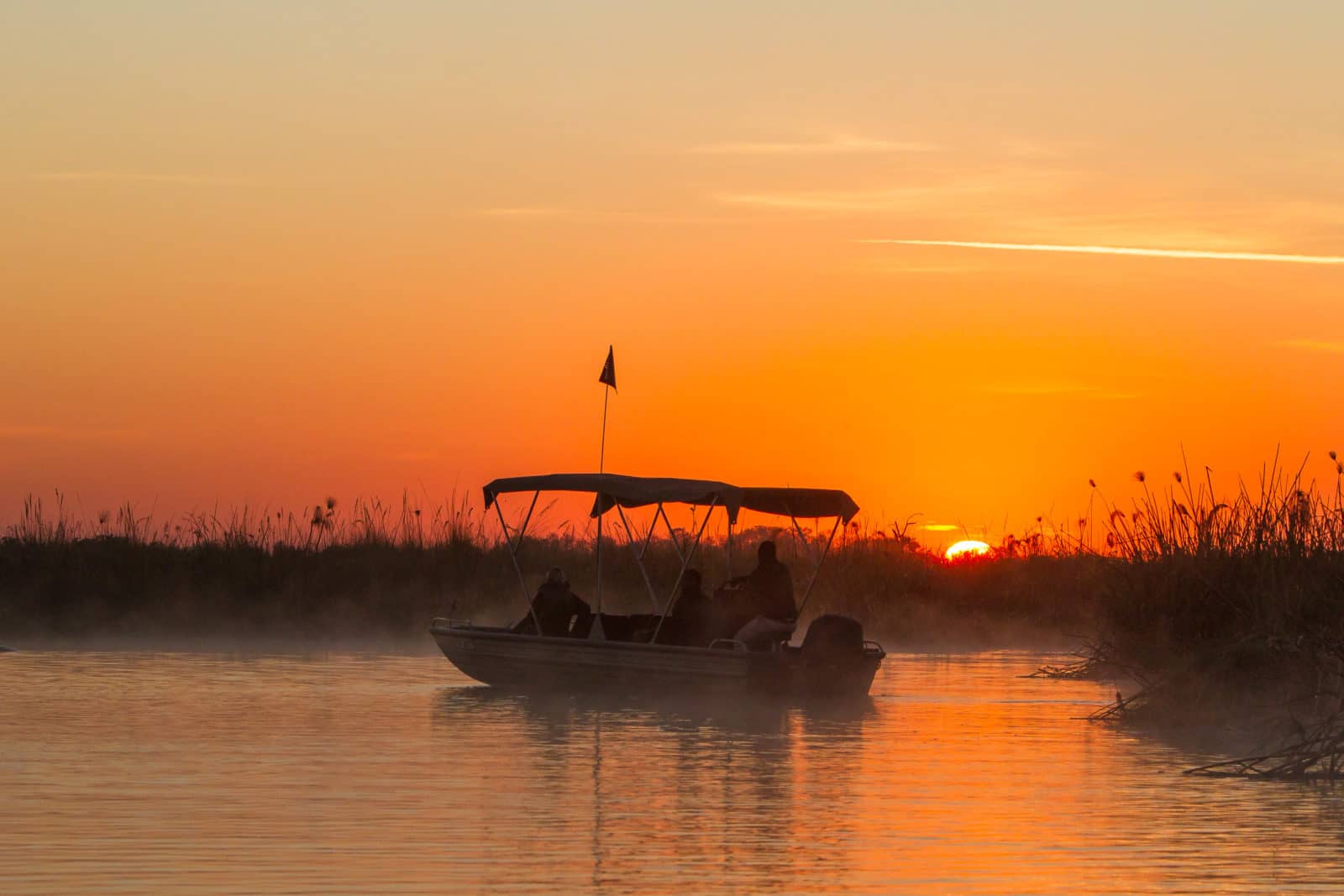
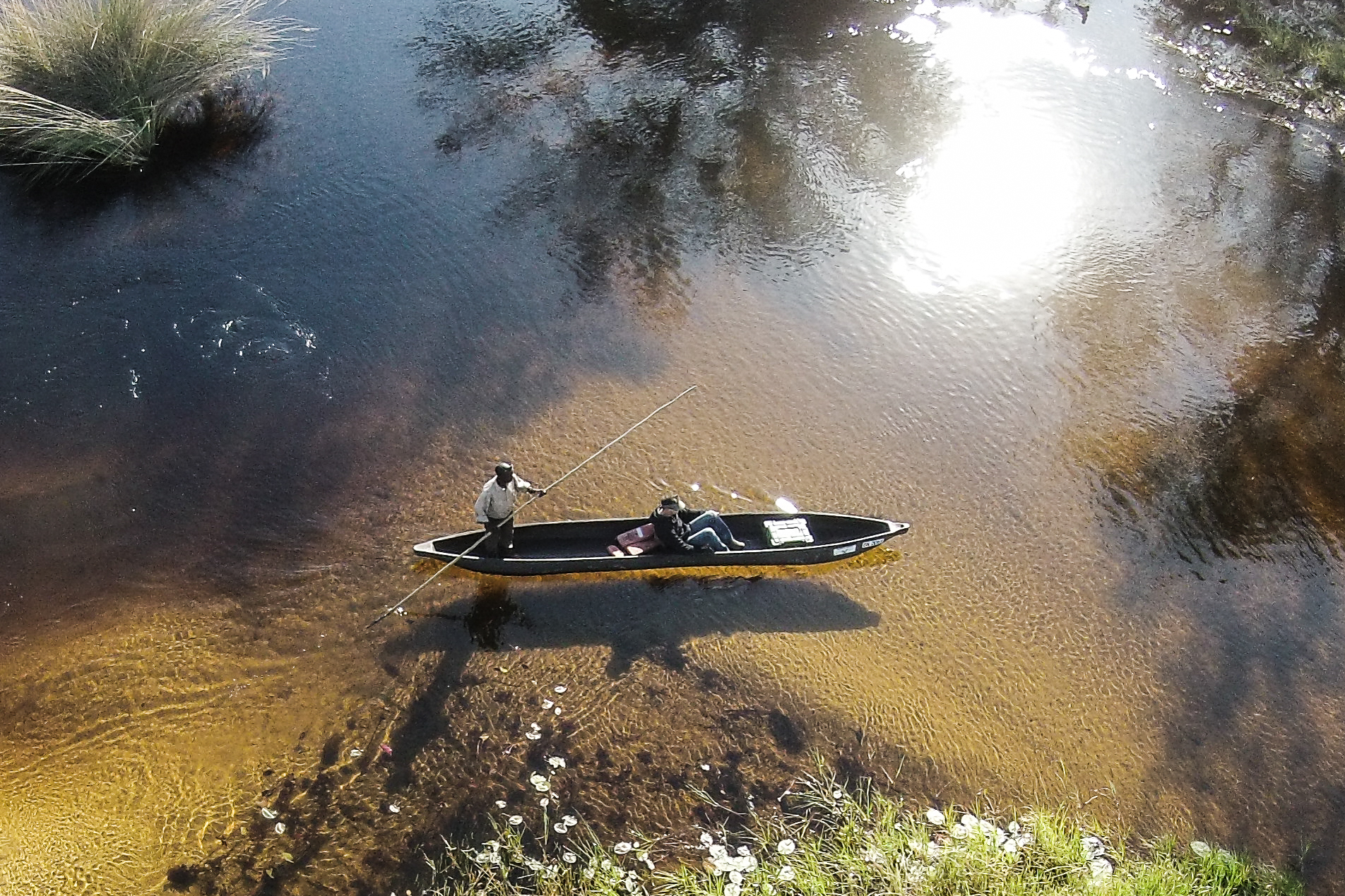
This is safari at its most exclusive. In private concessions, off-road driving allows for a more flexible and immersive experience, while the wider range of activities — from game drives and walking safaris to boating and mokoro excursions — adds real depth to a stay.
It is not manicured or curated. It feels natural, unpredictable and immersive.
For those looking for a quieter, more exclusive safari in a truly wild setting, Botswana sits firmly at the very top of the list.
If you are considering a safari in Botswana and would like an honest view on whether it is the right fit — or how to balance it with other destinations — we are always happy to talk it through.




Experience the Okavango Delta
Contact us for more information and to start planning your Okavango safari
Contact